Emeralds are green gemstones due to trace amounts of chromium and vanadium within their beryl crystal structure, which absorb specific wavelengths of light while reflecting green hues. Their color saturation can vary significantly depending on geological formation conditions and trace element concentrations, resulting in unique shades that interact fascinatingly with different lighting environments.
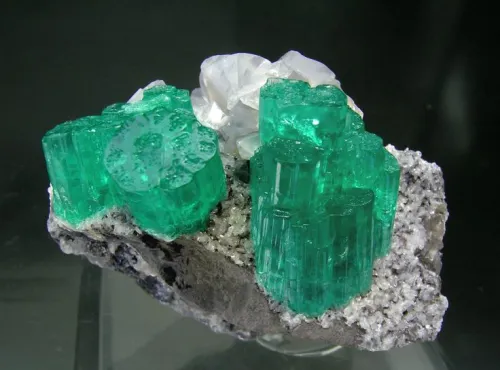
Consider the last time you noticed how your silk scarf changes from muted to luminous under department store lighting, or how your ceramic mug shifts from warm beige to cool gray as afternoon light fades. Emerald’s green behaves similarly - a dynamic interaction between mineral structure and light that transforms how we perceive color. For some, the question arises while comparing jewellery listings under LED screens; others wonder during museum visits when deep forest greens appear unexpectedly bluish in display cases. Your curiosity might stem from contemplating a gift that captures a loved one's spirit, evaluating investment potential, or simply wanting to understand why nature crafted this specific green. Whether you're drawn to mineral science, everyday aesthetics, or practical considerations for wearing and caring, there’s a dimension to explore here.
If your focus is on how emeralds achieve their distinctive green rather than surface impressions, these insights address the geological processes. Visualize the transformation occurring deep underground where heat and pressure arrange atoms into precise patterns.
Chromium and vanadium atoms within the beryl crystal lattice absorb red and violet light waves while allowing green to reflect. Depending on their concentration, these impurities may create a vivid spring-leaf green or deeper pine shades. Geological formation pressure can generate internal "fingerprints" within the crystals that scatter light paths.
The precise hue you perceive often depends on iron oxidation states interacting with chromium. Some stones exhibit secondary blue undertones while others lean yellowish-green, influenced by trace element ratios. Saturation tends to be richer when these elements are uniformly distributed rather than clustered. Notice how:
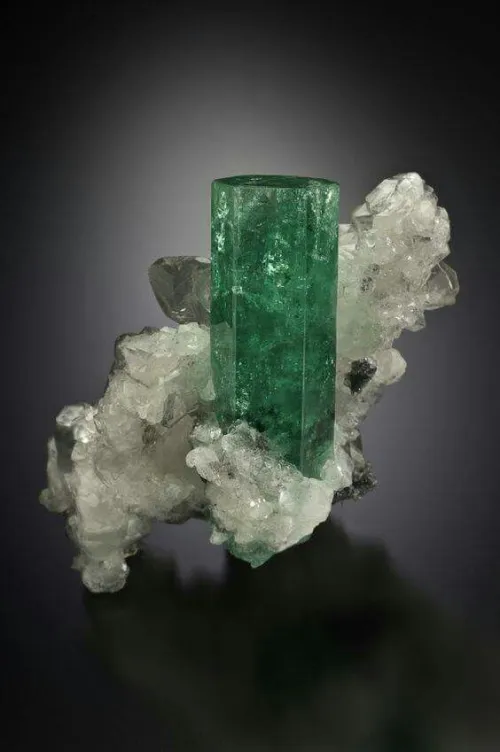
For those observing how emeralds transform under kitchen pendants versus gallery spotlights, this section explains environmental influences on appearance. Color can be conversational - responding uniquely to surroundings.
Refraction patterns cause stones to appear subtly bluish-green in north-facing daylight but warmer under candlelight. Inclusions within the stone may interact with artificial lighting in ways that soften or intensify color density. Compare how the same piece against a wool coat in low light:
Should your interest relate to distinguishing exceptional pieces - perhaps when considering an engagement ring upgrade or comparing auction items - these observational techniques reveal meaningful details.
Depth of color often surpasses technical perfection in creating visual magnetism, with minor inclusions sometimes enhancing character rather than diminishing value. The most vibrant stones typically demonstrate even saturation without "windowed" transparent patches. Cutting orientation affects the intensity dramatically through strategic arrangements.
For hands-on considerations - choosing jewelry for regular use or preserving treasured gifts - these physical interactions with our material world help anticipate how greens weather time and use.
Daily exposure to skincare oils or cosmetics may temporarily reduce surface brilliance without permanent damage. Consider how a ring worn during gardening can gather a fine patina that mutes sparkle, while periodic professional cleaning restores luminance. Setting styles significantly influence vulnerability to impacts during commutes or social gatherings.
Long-term brilliance responds thoughtfully to preventative habits: Keeping stones away from cleaning solutions prevents surface changes, while avoiding direct abrasion maintains reflective properties. Notice how:
Do emeralds change color permanently? Minor optical modifications from wear can occur but the fundamental green coloration remains stable unless subjected to extreme chemical or thermal alteration.
Why do online images differ from in-person stones? Photography lighting enhances luminance more than human eyes typically perceive, while monitor calibration adds variation in tone representation.
How does cutting depth affect the green? Deeper proportions may darken appearance as light travels through thicker material, so cutters may balance depth against desired hue intensity.
However you connected with this exploration - through scientific interest or aesthetic appreciation - carry forward what speaks to your context. If clarity details caught your attention, observe how window-lit pieces display natural imperfections during morning coffee. Should lighting interactions resonate, notice how an heirloom pendant shifts hue between your office and favorite restaurant booth. Those attentive to longevity might store cherished pieces on soft fabrics away from bathroom humidity, letting the gem's presence remain a quiet reminder of nature's artistry in everyday spaces. Each engagement becomes a practical appreciation of how mineral composition creates a green we instinctively recognize as both grounding and extraordinary.


$
