Emeralds, with their distinctive green glow, can be worn and appreciated by anyone who responds to their visual warmth and textural depth. The key lies in understanding how lighting conditions, setting choices, and daily environments may influence the stone's interaction with personal style and practical needs.
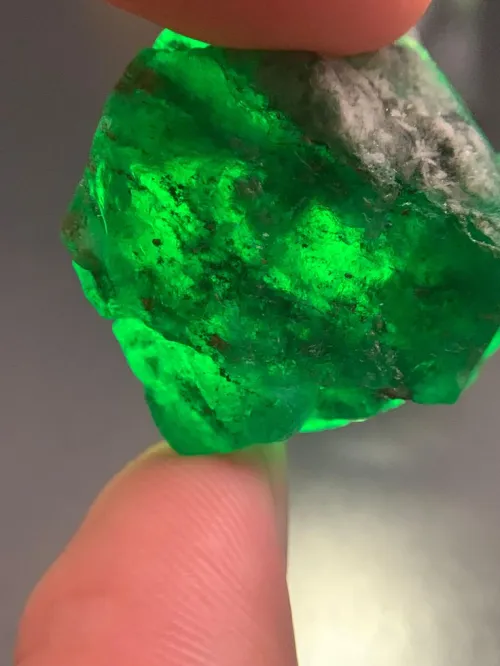
Picture this: morning light filtering through a café window catches a green sparkle on someone's hand. The stone glows differently than the sapphire at the next table – deeper, somehow more mysterious. At that moment, practical questions surface: Would that work with my skin tone? Could I wear it daily without damaging it? Is this stone too formal for my workplace lighting? Readers arrive here with distinct visual curiosities – some care most about subtle color harmonies against their complexion, others about durability for active lifestyles, while many simply want to understand how different settings alter that iconic green.
For readers who care how an emerald's color might interact with their skin tone and daily environments, focus on visual harmony under common lighting. Notice how different contexts showcase the stone.
The green variations in emeralds tend to complement warmer skin tones more visibly under natural daylight. Consider how office lighting versus evening settings alters perceived saturation: cooler undertones may appear more subdued under fluorescent lights, while candlelight can intensify deeper greens. Pay attention to how fabric textures nearby influence the stone – a matte wool scarf may make the emerald stand out differently than glossy silk. In pendants, positioning affects how daylight interacts with crystal transparency, so notice how neckline lengths alter light dynamics.
Culturally significant in many societies as symbols of renewal, emerald designs often carry historical aesthetics that may resonate with personal style narratives. When choosing pieces reflecting these traditions, note how heritage motifs appear under contemporary lighting – intricate vintage settings might cast unique shadow patterns on the skin during daytime wear, while modern bezels offer cleaner lines for office environments.
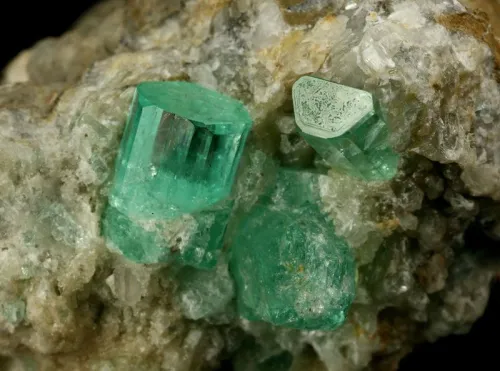
Readers prioritizing durability need straightforward guidance about everyday risks and protective options. Emerald's physical properties interact differently with active versus occasional use.
Emerald hardness ratings between 7.5-8 mean cautious consideration for rings worn during manual tasks. For active lifestyles:
Necklaces may withstand more frequent wear than rings when considering abrasion risks during movement. Also, periodic professional cleaning helps sustain luster in regularly worn pieces.
Natural inclusions within crystals affect durability during long-term wear, influencing setting choices. In retail settings, display lighting may significantly alter apparent color – compare stones under natural and artificial light. When judging visual impact, remember smaller vivid stones can offer color density comparable to larger pale ones. Also, direct sunlight exposure might gradually affect treated stones with unstable fillers, making location awareness important.
Readers encountering conflicting advice should focus on evidence-based perspectives regarding maintenance and appearance.
Emerald's characteristics simply suggest certain considerations: The stone may require more frequent care in dusty environments due to fracture networks. Also, chromium or vanadium elements create the signature green through geological processes that naturally affect durability characteristics. For those in regular manual work, cluster designs can distribute impact forces across multiple stones while maintaining visual presence.
Contrary to popular impressions:
Whether considering a ring for work environments or pendant for special dinners, let practical visual understanding guide your choice. If color matters most, recall how warmer skin tones tend to amplify green saturation under daylight. If durability is key, bezel settings and cabochon cuts offer protection. For those valuing low maintenance, smaller vivid stones in protective settings may shine without constant concern. When store lighting makes selection challenging, request to view pieces near a window. Let it become one thoughtful way your accessories start feeling more integrated with how you move through daily scenes – a point of contained vibrancy that changes subtly with your days.
How often can I safely wear an emerald ring?
Emerald's durability allows regular wear with precautions, though manual work or rough environments may necessitate occasional-wear alternatives to maintain long-term appearance.
Do emeralds look better under certain lighting?
Cooler-toned emeralds might appear more vivid under late afternoon daylight, while artificial lighting can make yellowish undertones noticeable under magnification. Silver settings can intensify cooler green aspects where gold enhances warmth.
Can small emeralds make visual impact?
Well-cut smaller stones with strong saturation can project similar color impact to larger pale stones, especially in cluster settings that create bolder statements without increased risk exposure.


$
