Yes, emeralds are occasionally heat-treated to enhance color clarity, but this demands extreme precision. Unlike more stable gems, emeralds' delicate structure means thermal processes may create new fractures while attempting to mask existing ones. If you remember one thing, know that heat-treated emeralds require specialized lifelong care to maintain their appearance.
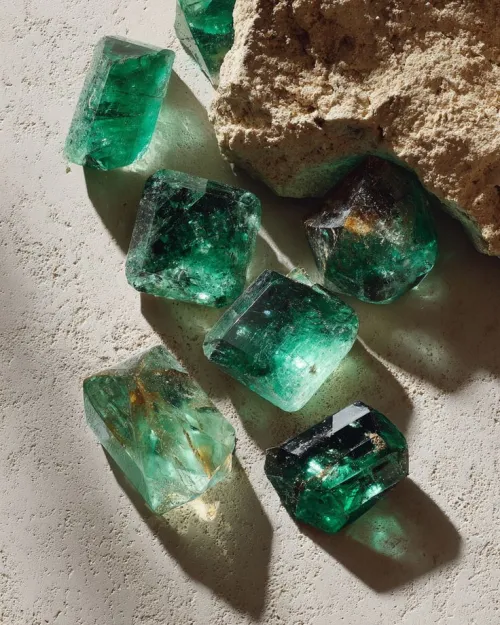
Picture fastening an heirloom pendant before an evening gathering, noticing how kitchen lighting shifts its green hue – or how sunset rays reveal micro-fractures invisible at noon. Such moments spark practical concerns: Could yesterday’s hairdryer heat have compromised the stone? As you consider resizing a ring or storing jewelry seasonally, you’ll approach this question differently. Some prioritize immediate care guidelines for treated pieces; others analyze structural science behind these gems’ luminosity; many need clarity on distinguishing treated stones during purchases. Whether protecting existing treasures or evaluating new acquisitions, understanding thermal treatment becomes entwined with daily aesthetics.
If physics and practicality guide your approach – understanding whether treating emeralds differs fundamentally from heating sapphires or tanzanite – this foundation reframes expectations. These factors shape handling decisions from storage to professional repairs.
Unlike many gems, emeralds present unique challenges during thermal enhancement due to their crystal lattice tensions. That delicate interplay between chromium/vanadium concentrations and natural inclusions causes uneven responses when heated, where some zones absorb thermal stress while neighboring areas fracture. Consider how office spotlights or car dashboards subject stones to sustained heat resembling low-grade treatments. Such environments may cause cumulative shifts in fracture-filling resins.
Post-treatment vulnerabilities originate from interrupted crystalline patterns. Residual stresses often hide within the gem’s architecture, waiting for triggers like ultrasonic cleaning vibrations or sudden temperature drops during winter commutes. Such events can propagate internal fractures silently until light catches new surface irregularities during weekend gatherings.
Appreciators focused on wearability’s aesthetic consequences – how tabletop candles affect evening sparkle, or why sunlight exposure gradually changes green saturation – should focus on these visual cues in context.
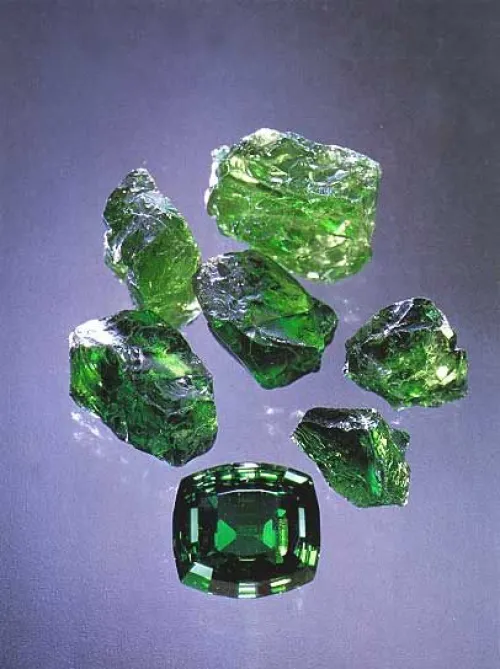
Heat-modified stones manifest distinctive characteristics through seasons of use. Observe how indirect restaurant lighting affects perceived brightness versus museum-grade LEDs. Treated emeralds often demonstrate muted fluorescence shifts in UV-rich environments, such as beach outings or display cabinet lighting. When examining potential purchases, notice:
Initial treatment often creates deceptively uniform green saturation that reacts unpredictably to decades of ambient conditions. Stones worn near skin daily experience micro-expansion from body heat, while pendant gems face photochemical reactions during summer walks. This is why:
Owners prioritizing preservation learn to navigate common scenarios like salon visits, oven cleaning, or gym sessions where temperature/impact risks emerge differently for enhanced emeralds. Adjust routines accordingly.
Daily protection involves creating micro-environments that buffer thermal shocks. Use velvet-lined compartments within handbags to prevent abrasion during commutes. Before entering overheated yoga studios, consider leaving rings in breathable coin pouches rather than sealed plastic. Key precautions include:
Chemically enhanced surfaces react unpredictably to standard solutions. Dawn dish soap may safely clean untreated pieces but cloud fracture fillings over time. Instead, develop habits like post-party dusting with electrostatic cloths instead of liquid cleaning. For deep accumulation:
Stewards focusing beyond immediate preservation develop relationships with gemologists who understand treatment-specific lifespan curves. Consider these strategies.
Structured protection involves counterbalancing ambient variables: Store pieces with silica gel packs during humid summers; utilize drawer dividers to prevent neighbor-stone abrasion; avoid placement near electronics emitting localized heat. For heirlooms:
Bi-annual evaluations by gemologists familiar with your pieces document micro-changes imperceptible at home. These professionals use refraction monitoring to detect filling degradation before it becomes visible. Preserve all enhancement history documentation; such records become critical during later repairs when laser work or infill replacements become necessary.
Skeptics seeking reality checks against sensationalized claims uncover nuanced truths about durability vs. beauty trade-offs.
Marketplace assertions about "permanent" treatments deserve context. While properly executed processes may remain stable for decades, consider scenarios like:
Expect differentiated aging patterns: Treated necklace stones withstand dinner parties better than high-impact cocktail rings. Stones exposed to tropical vacations require more frequent inspections. Most crucially:
Now consider translating these layers into your unique environments: That beveled ring worn weekly during computer work carries different risks than an exhibition piece rotated among three homes. For definition seekers – remember emeralds can be heated but demand specialized lifelong protocols. Appearance-focused observers – prioritize learning subtle saturation shifts across lighting conditions before purchases. Long-term stewards – establish inspection rhythms that preempt damage. Let such awareness become integral to how you interact with colored stones: whether placing a brooch beside your breakfast nook or selecting gifts for future generations.
Q: Is occasional hairdryer exposure dangerous for treated emeralds?
Repeated proximity matters more than single incidents. Lower-temperature settings with constant motion pose less risk than sustained high heat near one zone. After such exposure, allow gradual cooling in room air before storage.
Q: Can heat treatment ever improve emerald durability?
No credible evidence suggests strength enhancement. While some surface clarity may improve, microscopic restructuring typically introduces new vulnerabilities to pressure and thermal cycling.
Q: Do professionally treated emeralds require different insurance terms?
Documented treatments should always be disclosed to insurers since filling degradation or fracture propagation may significantly impact valuation over extended periods.


$
