Emerald green embodies a deep connection to natural renewal across cultures, with its saturated green tones serving as universal shorthand for vitality and harmony through color psychology rather than mystical properties. For daily integration, consider how its distinctive interplay of light and depth may create subtle emotional resonance in personal spaces, accessories, or wardrobe accents.
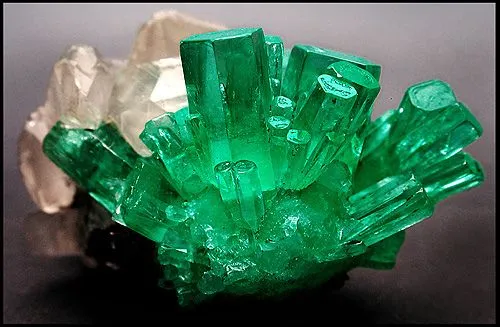
You might notice emerald green in a colleague's silk scarf catching office lighting differently throughout the day, or spot it in a restaurant's ceramic tiles creating depth against matte walls – and wonder where this complex color belongs in your own world. Some seek to understand its cultural significance for decor decisions, others need practical knowledge for jewelry evaluation, while many simply want to harness its visual weight in everyday aesthetics. Your reason for exploring emerald determines which insights matter most.
If you're exploring how emerald tones create psychological impact across cultures, this section examines universal responses to its chromatic qualities.
Emerald green's persistent connection with renewal stems from observable natural parallels rather than prescribed meaning.
Its chromatic density evokes seasonal regeneration through universal color psychology. Variations from deep forest to bright leaf-green may shift subtle perceptions depending on cultural context. The hue tends to maintain perceptual stability across artificial and daylight settings, with gemstone and pigmented versions reflecting light at comparable wavelengths when properly saturated.
Atmospheric interaction transforms this green's emotional weight through environmental variables.
Low-light conditions may amplify depth through increased light absorption. Textured materials like velvet intensify shadow play while polished surfaces maximize radiance. Consider these atmospheric interactions:
For those focusing on spatial integration, here's how emerald tones alter perceived environment through interaction with light sources.
Emerald pigments absorb and reflect specific light frequencies to create distinctive spatial presence.
When placed opposite windows, it absorbs direct sunlight to create depth rather than glare. In corporate settings under LED lighting, the color maintains visual weight without overwhelming accent walls. Density variations influence this effect – muted sage variants scatter light softly while intense chroma creates focal contrast.
Complementary surfaces determine whether emerald recedes or commands attention.
Matte finishes absorb surrounding light to create subtle grounding. Metallic surfaces create dynamic shimmer when used as jewelry settings or decorative details. For balanced application:
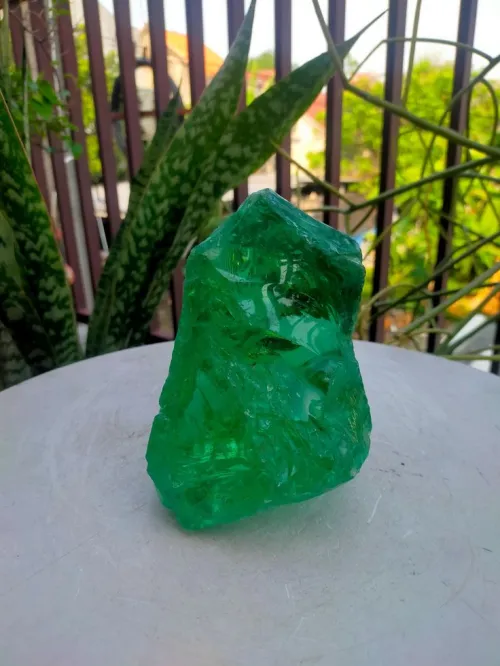
When considering emerald for apparel or gifts, focus on how its chromatic properties complement personal aesthetics.
Skin undertones and occasion lighting determine emerald's wearability.
Cool complexions may find clarity in blue-tinted variations, while warmer skin tones can balance olive-leaning greens. Silk and satin fabrics respond dynamically to movement under event lighting, whereas wool blends offer muted presence for office settings. Its versatility tends to cross contexts:
Practical integration reinforces personal meaning without metaphysical claims.
Longevity makes it suitable for heirloom pieces like engagement rings or desk accessories. Gentle cleaning preserves integrity over decades, allowing the hue to maintain connection to meaningful moments. Surface texture evolves subtly with regular use, potentially deepening owner connection through visible history.
These visual cues help assess emerald applications for those prioritizing aesthetic integrity.
Authentic pigments display characteristic light behaviors that synthetics often lack.
Natural light reveals undertone complexity where synthetic dyes appear flat. Material composition affects color rendering: resin may develop a milky cast over time while mineral-based pigments tend toward opacity under direct light. The most consistent visual indicators include:
Material science explains emerald's endurance as pigment or stone.
Surface hardness determines resistance to environmental factors like humidity-based degradation. Protective settings shield jewelry integrity while sealants preserve paint application. Crucially, daily interaction builds character rather than diminishing impact when maintained appropriately.
Addressing core concerns for those bringing emerald tones into reality.
Material selection prepares emerald applications for real-world settings.
Kitchen surfaces may require sealed ceramics for easy cleaning while textiles perform better in humidity-controlled spaces. For high-traffic areas:
Transparency informs decisions about origin and impact.
Mineral composition reports help verify ethical sourcing where relevant. Cultural traditions inform production techniques worth preserving. Physical samples reveal authentic visual qualities difficult to convey digitally.
Consider which interactions might most effectively connect emerald tones to your daily rhythm.
Those drawn to its historical resonance might focus on architectural accents or tableware that reinforce personal heritage. If visual harmony is the goal, study how fabric swatches shift color at critical daytime hours in intended spaces. For meaningful gift-giving, prioritize durable pieces that retain their luminous quality for generations. Ultimately, how does this specific green create space for reflection or joy within your existing textures, lighting patterns and ritual moments?
Q: Does emerald green complement all design styles equally?
While versatile, its intensity may overwhelm minimalist spaces without textile softening while potentially energizing traditional schemes.
Q: How does artificial lighting impact the perception depth?
Warm bulbs emphasize earthy undertones whereas cool LEDs amplify jewel-toned appearance based on spectral composition.
Q: What maintenance considerations apply outside jewelry contexts?
Textiles respond best to steam cleaning while painted surfaces require dusting with microfiber to preserve luminosity between deep seasonal cleaning.


$
