Emerald is primarily used in high-end jewelry pieces like rings, earrings, and necklaces due to its distinctive green color; additionally, it serves in decorative objects and collector's items where its unique optical properties create visual impact through light interaction and texture contrast.
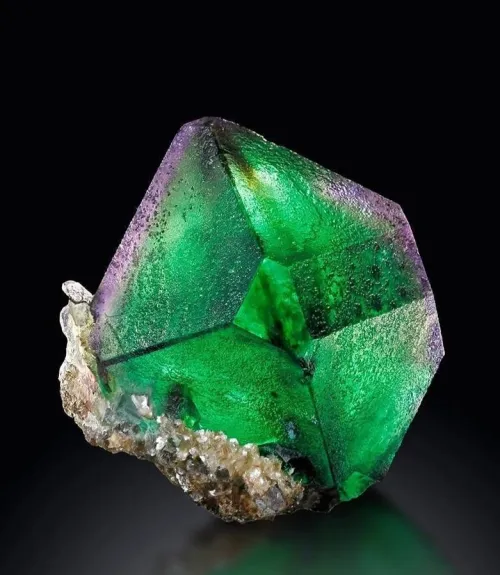
You might have noticed that particular shade of green in a colleague's ring during a meeting, catching sunlight slanting through conference room windows – a moment where color pulls you out of spreadsheets and into aesthetics. Or perhaps you've browsed vintage stores, drawn to velvet-lined displays of brooches where gemstones interact differently under warm spotlights versus daylight filtering through the front window. Such encounters spark practical questions: How do we incorporate this? What moments suit it best? And crucially, how does it stand up to daily life? Whether motivated by a gift search, an heirloom evaluation, or pure fascination with how materials behave in different light environments, readers arrive with distinct priorities: some seek technical reassurance about care, others explore how settings enhance its presence, while many want actionable pairing guidance for wardrobes or interiors.
If your focus is on understanding what makes emerald functionally distinct – why certain applications suit it while others require caution – these fundamentals address jewelry suitability and decorative potential.
Emerald serves predominantly in jewelry where its color becomes wearable art, translating crystal structure into aesthetic impact. Its chromium and vanadium content within the beryl mineral group generates its signature green, transforming light through selective absorption that appears especially lush on skin tones during daylight gatherings. For decorative objects like boxes or art pieces, this chromatic depth offers tonal weight against materials like brushed brass or matte ceramics that appear in modern interiors.
Moderate hardness levels around 7.5–8 on the Mohs scale set practical boundaries for usage types, explaining why cocktail rings intended for evening wear may use different settings than bracelets facing frequent impacts. Natural fractures within the crystal lattice – poetically termed jardin – affect both durability decisions and aesthetic choices: faceted cuts maximize light return in simpler forms while preserving weight in high-value specimens, whereas beads or cabochons might utilize stones with more complex internal landscapes where translucency matters less.
For those analyzing how emeralds perform visually across settings – from office to evening environments – consider how physical properties translate into shifting perceptions.
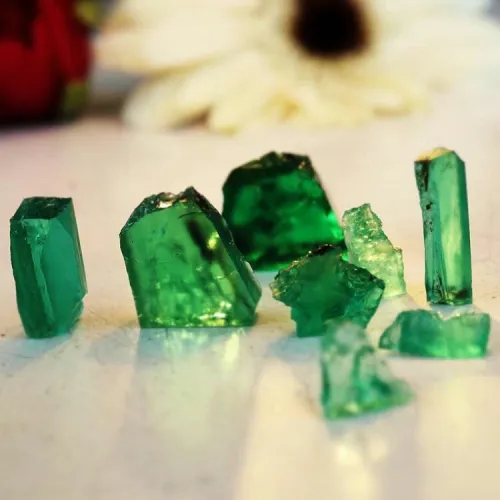
Expect noticeable shifts in tone based on ambient light. Emerald tends to appear more vibrant in natural daylight due to absorption peaks aligning with morning through afternoon spectrums; under soft candlelight at dinners, it exhibits deeper tones with muted glow rather than crystalline sparkle. This occurs because specific wavelengths trigger chromium’s electron transitions differently than artificial white light.
For visual balance in jewelry:
If you’re exploring practical long-term ownership – how to select pieces aligning with regular use while preserving integrity – these considerations adapt theory into daily reality.
For daily items like signet rings, setting selection mitigates vulnerability: bezel enclosures reduce edge exposure compared to prong arrangements, helping protect cleavage planes prone to chipping. Maintenance prioritizes chemical avoidance for treated stones where resin fillings could become compromised, advising against ultrasonic cleaners which may dislodge substances or exacerbate tensions within fractures. Instead, gently remove skin oils using mild soap solutions without extended soak periods.
Choose settings reflective of event tones: slim bezel pendants offer subtle accents against workwear linens, picking up green undertones without overpowering. For evening wear, consider stones paired with gold settings that intensify warmth against darker hues – the visual weight balances satin gowns while catching dimmed restaurant lighting effectively. Storage strategies extend longevity: individual soft compartments prevent scratches from harder gemstones over years of accessory rotation.
For readers focused on verifying natural origins or disclosed interventions – perhaps when evaluating estate pieces or new acquisitions – identify markers affecting both value perception and future care.
Natural specimens typically contain signature inclusions visible under magnification, resembling mossy gardens within the stone – characteristics that affect both valuation and light transmission. Fracture treatments with resin require specific disclosure for insurance documentation as their structural stability differs from untreated counterparts; note that long-term heat exposure may cause these resins to alter clarity or surface texture. Synthetic versions present comparable optics initially but lack trace minerals found in natural deposits that influence subtle undertones.
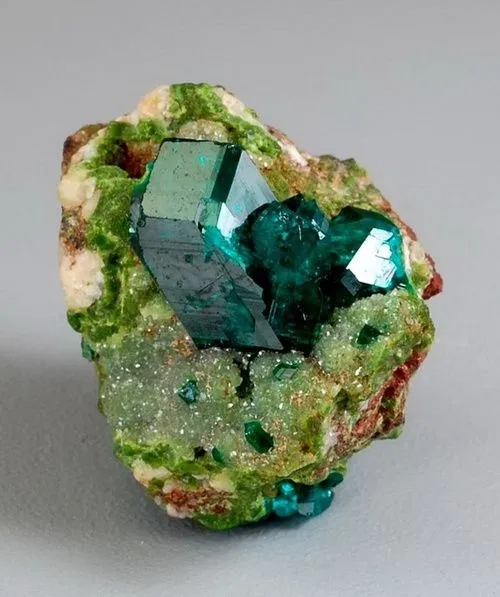
For immediate clarifications regarding anomalies in usage experience, this section addresses recurring contextual questions that might arise for daily owners or prospective buyers.
Q: Can I safely wear an emerald in an engagement ring?
A: While possible, consider lifestyle factors: protective settings guard against impacts during daily activities, and professional tightening checks every few years compensate for metal fatigue around the stone. Resin-treated emeralds require more cautious protocols with chemicals.
Q: Why does my emerald look different indoors versus outside?
A: Natural light amplifies its spectral response between violet-red wavelengths, enhancing saturation; warm artificial lighting deepens the green into more muted, velvety expressions. Both show authentic characteristics rather than defects.
Q: How can I identify if my emerald has treatment?
A: Visual clarity under magnification is the first indicator – resin-filled fractures exhibit specific surface characteristics sometimes visible along light reflections. Reputable vendors should disclose treatments upon purchase, which helps inform cleaning and maintenance schedules.
Match your key intentions with action steps. If core properties were your priority, note chromium/vanadium’s role in the color intensity you admire combined with moderate hardness requirements for settings. Should visual performance have driven your interest, remember lighting environments alter appearance dramatically – natural daylight enhances blue-green undertones during garden parties. For wearability concerns, adopt protective bezel settings and gentle cleaning rituals to let those stones persist through commutes or gatherings. If identifying treatments mattered, inspect inclusions and seek disclosure documentation. Ultimately, let its place be wherever light plays beautifully through green to reveal texture – on a windowsill ornament catching morning sun or that vintage ring suggesting thoughtful layers beneath polished surfaces.
Q: What temperature risks damaging emeralds?
A: Avoid prolonged heat above 100°C, as thermal shock may cause fractures to expand or resin treatments to degrade. This includes leaving jewelry near radiators or hot car interiors.
Q: How often should settings be inspected?
A: Consider annual checks for pieces worn daily; prongs and bezels endure gradual metal fatigue. Earring backs, neck clasps, and ring edges are common pressure points.
Q: What fabrics or colors complement emerald wear?
A: Crisp whites enhance brightness for daytime offices; deep navy backgrounds intensify tones during evening events. Avoid pairing with competing jewel tones for clearer chromatic statements.
Q: Are synthetic emeralds any different functionally?
A: While possessing similar physical properties, they avoid inclusions influencing natural varieties and require identical protection against knocks or chemicals for longevity.


$
