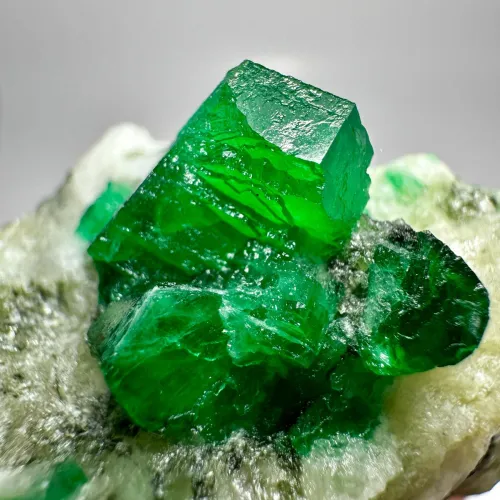
Emerald is a green variety of the mineral beryl, colored primarily by chromium or vanadium trace elements, with a distinctive vibrancy that ranges from spring-leaf greens to deep forest hues. Its value is determined by color saturation, clarity characteristics and durability factors, while natural inclusions and light-responsive qualities significantly influence its everyday appeal.
You might be examining an heirloom ring under museum lighting, scrolling through online listings during lunch break, or considering gemstone options for a meaningful gift. Perhaps you’re drawn to the lush color but wonder how it would hold up against daily office environments. Others might question why some stones glow differently in candlelit dinners than in morning light. Whether you need a quick mineral definition, seek visual evaluation criteria, or want practical advice for long-term wear — your approach to emeralds will differ. That’s why we’ve organized this guide around specific perspectives.
This section clarifies emerald’s essential identity as a mineral and gemstone without technical overwhelm.
Emerald belongs to the beryl mineral family and owes its signature green to chromium or vanadium impurities interacting with its crystalline structure during formation. Unlike other beryls, these specific trace elements create its characteristic spectrum — from fresh grassy tones to profound teakwood depths. Surface inclusions, rather than being flaws, often serve as natural fingerprints verifying authenticity.
Focus here to understand how light and environment transform emeralds’ visual presence in daily situations.
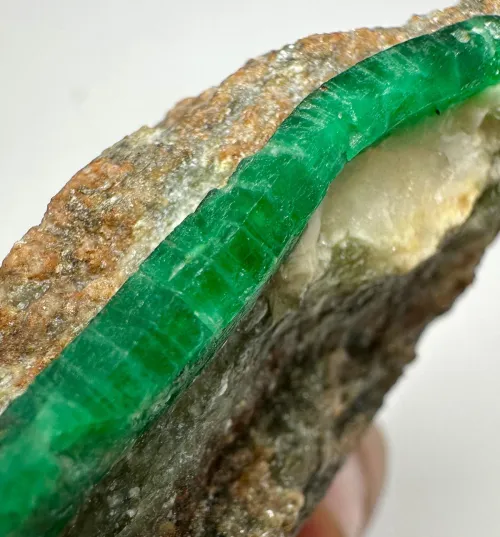
An emerald’s color appears dynamic beyond gem lab reports — fluorescent office lighting can intensify cool undertones while sunset glow reveals its warmest depths. This chameleonic quality comes from variations in light absorption across its crystal structure. When judging quality in person, notice how richer greens retain vibrance across environments whereas muted specimens appear washed-out in low-light dinners. Natural stones typically show color zoning with slightly uneven distribution.
These visual clues assist evaluation without lab equipment:
Common treatments like cedar oil infusion minimize the visibility of surface-reaching fissures — a temporary solution requiring protective care. Treated stones will have reduced clarity during daylight scrutiny compared to artificial settings, particularly at shallow viewing angles. Enhanced specimens may also reveal residue accumulation at facet junctions over time when inspected under magnification.
Explore how formation conditions created properties impacting modern evaluations and care requirements.
Emeralds form under violent geological collisions where beryl crystals incorporate chromium and vanadium through hydrothermal processes. These turbulent origins often cause internal fractures that influence structural resilience. High-pressure crystallization generates tension plains within stones that remain vulnerable to thermal shock — a consideration worth remembering when wearing them near heat sources.
Notable formation impacts today:
Prioritize this section for insights on selecting, wearing and maintaining emeralds across life’s routines.
With 7.5-8 hardness on the Mohs scale, emeralds withstand routine office interactions but need protection during physical activities. Prong settings risk chip damage during handbag retrieval whereas bezel mounts guard against impact. For rings worn through keyboards and commutes, moderately deep crowns reduce scratch exposure. Be mindful that online buying presents lighting distortions — reputable sellers will provide window-light footage alongside studio shots.
Household chemicals accelerate the breakdown of enhancement oils filling natural fractures, causing hazy patches to emerge around kitchen environments. Gentle cleaning preserves integrity — lukewarm water rinses clear skin oils after workdays while chemical dips risk permanent alteration. Across decades, micro-scratches on exposed surfaces gradually diffuse reflections, though professional repolishing restores the original glow. Value preservation involves documented professional re-oiling and avoiding thermal extremes.
Practical maintenance reminders:
Whether you seek mineral clarity or functional wisdom, the essence aligns: Emerald interacts dynamically with your environmental light, handling patterns and aesthetic choices. If definitions guide your search — remember emerald as the chromium-green beryl variant. For those valuing visual authenticity, trust inclusions as nature’s signature. Practical wearers should prioritize protective settings against daily impacts. And collectors will note how moderate precautions preserve long-range appeal. There exists no universal "perfect" emerald, only what resonates meaningfully within your personal context of lighting, use and connection.
Q: Do emeralds naturally change color over years?
A: Gradual hue shifts can occur through environmental exposure but typically remain within expected green parameters unless chemically altered.
Q: How frequently should worn pieces receive professional maintenance?
A: Annual inspection helps monitor settings and treatment stability, especially for rings exposed to frequent handling.
Q: Why do some emeralds appear cloudy indoors?
A: Treated stones show reduced clarity under low-angle light, emphasizing fillings in fractures that disappear under direct illumination.
Q: Are scratch-resistant emeralds possible?
A: All emeralds can develop micro-abrasions over time; protective settings minimize occurrences without eliminating vulnerability.
Q: Can morning dew affect untreated emeralds?
A: Natural rain or dew doesn’t penetrate solid crystals but prolonged moisture can seep into existing fractures over years.


$
