Emerald gems may not suit everyone due to their physical properties and maintenance needs. Individuals with highly active lifestyles, those prone to skin sensitivities, or people frequently exposed to chemicals/harsh environments should exercise caution with emerald jewelry. Gem suitability depends on personal habits, environmental context, and the stone's natural characteristics.
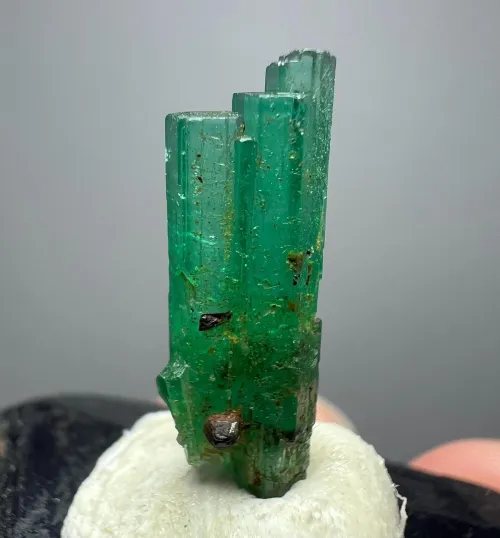
Picture this: you've inherited an art deco emerald ring that glows like morning dew in your grandmother's portraits. But when it lands on your finger amid office fluorescent lights and afternoon coffees, something feels off. Emerald’s velvety depths might appear suddenly opaque under harsh conference room bulbs. Or perhaps you hesitate before wearing it gardening, recalling its reputation for fragility. Like finding furniture that clashes with your wall tones, gemstone compatibility relies on invisible connections between material behavior and daily rhythm. Your colleague may effortlessly flaunt emeralds at gallery openings, while yours feels jarring. Whether you’re assessing potential skin reactions, durability concerns, or aesthetic dissonance, this guide meets you where your hesitation begins.
If your priority is assessing emerald’s resilience during daily activities, concentrate on this section exploring structural vulnerabilities. We'll define scenarios where physical demands conflict with the gem’s innate fragility.
Hands-on workers frequently encountering friction should reconsider constant emerald exposure. This includes professions like pottery artisans maneuvering gritty clay, surgeons regularly scrubbing hands with abrasive cleansers, or hairstylists applying chemical treatments. The stone’s brittle nature may develop microfractures under habitual abrasion. Additionally, those with dynamic hobbies—say, tennis players whose rings endure racket vibrations or kayakers facing accidental rock impact—risk structural weakening that appears as cloudiness over time. Similarly, parents carrying small children might experience unexpected knocks against doors or furniture that accumulate stress fractures within inclusions.
Trace elements within the crystalline lattice vary between stones. For gardeners mixing fertilizers or swimmers in chlorinated pools, substances absorbed through the material’s porous zones can lead to subtle discoloration patches, particularly where protective oil treatments degraded.
A gemstone’s endurance depends on balancing natural traits with human behavior. Pay particular attention to surface integrity when choosing jewelry for humid destinations; dimensional shifts in metal settings from moisture exposure can loosen prongs over years. Similarly, stones worn near coastal environments may gather microscopic salt crystals that erode carved edges. Visible inclusions serve as useful fragility indicators—a concentrated band might shadow where cracks could propagate if subjected to pressure points during routine tasks like keyboard typing or weightlifting.
If your main curiosity is whether emerald's color qualities suit your surroundings—from golden-hour dinners to cloud-covered commutes—this segment reveals how light shapes perception and material needs.
The same heirloom earrings can transform dramatically from museum exhibit lighting to dim restaurants due to emerald’s unique transparency thresholds. Office fluorescents tend to mute its signature velvety glow into flat forest tones, while candlelight illuminates internal fissures like miniature canyons. Assess your common visual environments: designers pairing jewels with client presentations might notice how screen-dominated rooms wash out vibrancy more than soft studio lamps. Modern homes with expansive north-facing windows create different chromatic dialogues than apartments reliant on warm artificial bulbs. Gem placement matters too; necklaces near fabric textures catch natural shadows differently than rings reflecting chrome appliances.
Beyond pure aesthetics, consider ultraviolet exposure levels during beach vacations—sunlight interacts uniquely with color-enhancing treatments. Similarly, frequent temperature shifts between heated buildings and winter streets may subtly shift inclusions’ appearance over seasons.
Selecting resilient emeralds means interpreting visual cues beyond traditional grading. Observe color zoning patterns first; uneven distribution suggests internal stress points where cracks initiate. Stones displaying subtle silk webbings beneath magnification might possess greater elasticity than seemingly flawless types. Inclusions clustered along facet junctions warrant caution—these zones absorb external forces during accidental impacts, leading to chips. Surface treatments reveal themselves through telltale textures; fillings commonly used in commercial gems lose integrity differently than untreated surfaces, particularly when encountering oils from cooking or skincare routines.
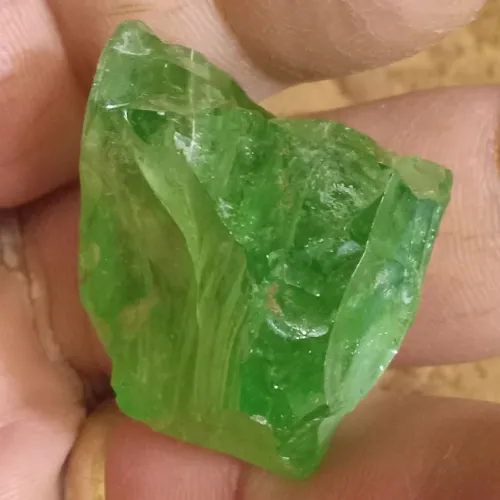
Notice how directional daylight highlights surface versus interior characteristics differently. Left shows specular reflections emphasizing window shape, while the right reveals depth where material absorbs photons.
For those navigating care demands amidst hectic routines, this section translates technical nuances into real-time decision frameworks.
Balance gem love with lifestyle rhythms through thoughtful adaptations. Choose pendant necklaces over rings for athletic activities to minimize knocks against exercise equipment. Reserve elaborate cocktail pieces for events requiring minimal hand-use rather than cooking-intensive dinners where steam affects enhancements. Consider rotation systems matching jewelry choices to daily agendas—simple bands endure keyboard sessions better than shoulder-brushing chandelier earrings during commutes. Storage solutions matter during seasonal breaks; velvet-lined boxes prevent dust accumulation better than open trays, while silica packets control humidity when traveling between climates. Regular evening inspections under a phone light take seconds but reveal loose settings before stones dislodge.
Long-term preservation involves planning: wedding bands intended for decades might embrace bypass settings avoiding center pressure, while convertible earrings accept gem replacements if activities damage originals. Even cleaning techniques reflect realism; ultrasonic machines guarantee damage but lukewarm soaks with soft bristles preserve integrity without chemical reactions.
Common misconceptions obscure emerald’s true physical character. Contrary to mystical assertions, the gem’s response relates to crystalline physics, not divine intervention. Some believe all emeralds require equal fragility management—however, Zambian specimens typically bear fewer inclusions than Colombian, affecting structural resilience. Another myth suggests cloudiness automatically signals low quality rather than natural aging; properly cleaned accumulations often restore clarity. Avoid universal solutions: wearing gloves solely for housework might protect stones more than constant removal increases drop risks. Finally, ‘value equals durability’ is misleading—some priciest collector pieces demand museum-level conservation inappropriate for daily enjoyment.
Allow insights to resonate spatially: Perhaps now you recognize why that heirloom brooch feels incongruous against your modern laptop workspace backdrop. Or why garden gloves should accompany ring-wearing amidst fragrant herbs and dew-heavy roses. Gemstones become tactile expressions of daily grace when aligned with environmental truths. Revisit settings seasonally—notice how summer sunlight highlights inclusions differently than cozy candlelit winters. Keep an evening ritual: placing jewelry where dawn light streams across surfaces reveals fractures needing attention. When gifts present dilemma, ponder alternative placements: a pendant hidden beneath scarves during commutes emerges as radiant centerpiece at celebrations. Let this knowledge quietly shift perspective, helping spaces and adornments evolve alongside changing routines.
Q: Does skin sensitivity automatically rule out emerald wear?
Not necessarily; reactions relate to specific trace elements varying by origin. Try brief test periods with high-back settings creating physical separation.
Q: Can children inherit emeralds for daily use?
Heirloom transmission requires evaluating modern lifestyles against design eras; prong resizing or full mount replacements often update fragility appropriately.
Q: How do cleaning differences affect long-term appearance?
Surface treatments and fillings require specialized gentle formulas; avoid boiling water or ultrasonic cleaners regardless of perceived immediate benefits.


$
