Yes, emeralds and diamonds can absolutely be worn together, creating visually stunning and harmonious jewelry when designs thoughtfully address key factors like hardness differences, color contrast, and daily care to ensure both gems maintain their beauty over time.
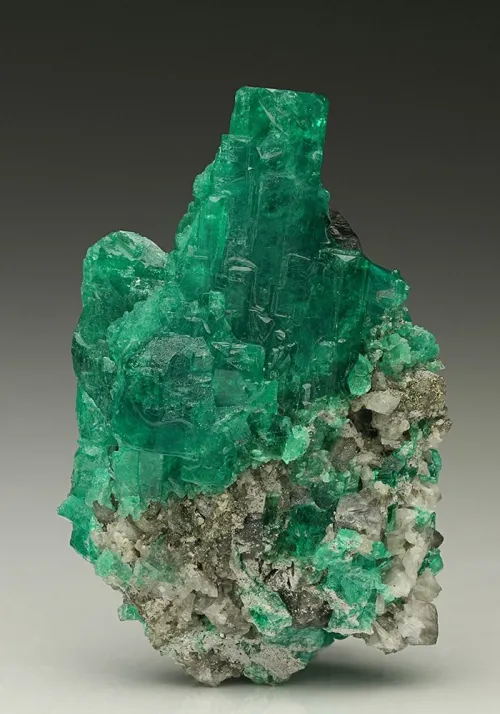
Imagine standing in front of an open window as morning light streams through, catching the sparkle of a diamond right next to the deep, velvety green of an emerald in your grandmother’s heirloom ring. Or picture yourself in a softly lit office or a lively summer gathering, fidgeting with a bracelet that feels both bold and familiar—only to wonder if that emerald might scratch, or if the diamond’s fire overwhelms the setting. This common concern taps into deeper questions: Are these stones fundamentally incompatible? Can their differences be turned into visual strengths rather than weaknesses? People approach this inquiry for diverse reasons—some want a simple yes-or-no reassurance before buying a gift, others focus on everyday durability during commutes, many seek ways to make the combination work beautifully with their wardrobe, and a few worry about long-term care to preserve an investment. The answer depends entirely on your personal priority: whether it’s a basic confirmation, understanding physical limits, finding design flair for occasions like parties or dinners, mastering maintenance for years of wear, or navigating popular myths that could mislead your choices.
For readers who simply want confirmation—perhaps before gifting jewelry or selecting a piece for a wedding—this section settles the core question. Forget the complications for now; here’s the essential clarity for your situation.
Yes, emeralds and diamonds can definitely be worn together, as their color contrast—deep green against white sparkle—often creates an appealing visual when balanced well in designs. While hardness differs significantly (diamonds are far more durable), specific settings mitigate risks: for instance, protective bezels reduce fracture chances in emeralds during everyday knocks. This pairing tends to work best when design elements like metal choice and stone placement cater to both gems’ characteristics, resulting in versatile pieces that can shift naturally from a casual brunch to an elegant gathering. Light interaction adds richness too; under soft indoor lamps, emeralds emit a subdued glow that diamonds amplify with their brilliance, making the duo adaptable to varying atmospheres without physical conflict.
If worries about scratches, breaks, or longevity drive your curiosity—such as for jewelry worn in active routines like commutes or childcare—dive into these factors. The focus is purely on how the stones hold up against daily stresses.
Emeralds, being softer, tend to show abrasions more easily than diamonds over years of use, necessitating designs that shield the emerald from impacts. Protective settings like bezels help here, as they encase vulnerable edges and distribute pressure evenly across gemstones. The thermal expansion rates of metals may affect fit; for example, in a shared ring worn through temperature shifts, platinum or metals accommodating both stones are preferable. Additionally, diamonds can withstand routine cleaning with tools like ultrasonics, but emeralds—with their inclusions—require gentler manual methods to avoid damage, making regular professional inspections vital for blended pieces. Such details matter most for environments involving frequent friction, like an office desk or public transit, ensuring both gems maintain integrity through minor knocks.
Over extended periods, emerald inclusions can become more noticeable due to accumulated micro-abrasions, especially in combinations with harder diamonds. Precision in setting is crucial: for instance, claw spacing needs to avoid creating stress points on emerald facets during movements like typing or handling groceries. Weight distribution also plays a role; balanced settings prevent pendants or rings from tipping during activities, which may otherwise amplify wear. Environmental factors like humidity influence this too—emeralds tend to be more sensitive than diamonds in moist climates, so consider lower-profile settings for pieces often exposed to rain or sweat. These practical cues help sustain both stones in daily scenarios, with careful handling preserving that initial glow.
For those focused on beauty—how the gems interact in a necklace or ring to complement an outfit for a gallery opening or family reunion—design tips ensure they enhance, not clash, in real life. Visual appeal depends on light, color, and context.
The contrast between green emeralds and white diamonds often creates a striking visual effect when handled with care—consider how yellow gold settings add warmth to soften the blend at a garden party, while platinum emphasizes cool contrast under sleek evening lights. Design approaches can include grouping small diamonds around a central emerald to unify the look, enhancing texture variations that catch natural daylight differently than artificial bulbs. Light reflection patterns also matter due to differing refractive indices; diamonds may appear bolder under direct sun at an outdoor event, whereas emeralds emit a deeper, muted glow indoors, offering flexibility across settings.
Readers valuing ease of use—maintaining jewelry through routines like housework or workouts—will find tips here to prevent frustration. It’s about integrating the pairing into your life while minimizing upkeep hassles.
Daily wear exposes combined pieces to elements like pollutants in city air or cosmetic residues, which can dull both stones if unchecked—gentle cleaning schedules using mild soap solutions and soft cloths are sufficient to restore luster without overwhelming emerald inclusions. For active lifestyles, such as commuting, protective settings help, but avoid high exposures: moisture and chemicals can affect emerald stability more than diamonds, so remove pieces before chores or swimming. Physical pressure distribution also matters; mixed-durability items may need stronger mountings for rings worn during gardening or travel to prevent joint stress, keeping the jewelry secure and visible in varied scenarios.
When buying or evaluating pieces, signs of good craftsmanship include well-spaced settings that avoid creating pressure points on emeralds, ensuring diamonds don’t shift or cause friction. Notice metal type, as alloys with consistent thermal properties prevent loosening of gems in temperature changes experienced during seasonal shifts. Look for pieces where diamonds hold sharper edges longer than emerald settings over time, indicating thoughtful engineering for mixed components. Subtle cues like balanced weight keep items comfortable for all-day events, making quality judgment intuitive rather than technical.
If misinformation leaves you hesitant—say, about damage risks when wearing both gems at a wedding or office party—this section clarifies realities, empowering confident choices without unnecessary fears.
Common myths include beliefs that emeralds and diamonds “fight” visually or wear down each other over short periods, but with proper setting, their contrast may actually enrich designs rather than clash—evident in heirloom pieces that shine after decades. Physical myths like emeralds always fracturing near diamonds are misplaced; modern protective methods (e.g., bezel settings or reinforced claws) prevent this during regular life. Also, storage myths overlook simple solutions: keeping items separated when unworn stops diamond scratches from affecting softer emeralds, a reality easily managed in home jewelry boxes.
Now that we’ve explored emeralds and diamonds in tandem, reflect on what resonates: if confirmation mattered most, remember they pair beautifully with thoughtful design. If aesthetics guided you, notice how light and contrast create moments of drama at your next dinner party. Practical readers can prioritize settings and cleaning routines that integrate gems seamlessly into daily rhythms, from errands to evening events. And for those addressing concerns, debunked myths now free you to choose confidently—perhaps selecting a gift or adjusting an heirloom. Let this be one subtle way your jewelry box evolves, piece by piece, into a collection that feels more uniquely your own.
Q: How does office lighting affect how combined emeralds and diamonds appear?
A: Fluorescent office light might mute the emerald's green slightly while intensifying diamond sparkle; both contrast well in varied settings as light interaction changes subtly with environment.
Q: Can regular cleaning be done at home for these paired stones?
A: For emeralds with fragile inclusions, manual cleaning is safer to avoid damage, but diamonds can withstand gentle methods; always avoid ultrasonic cleaners for emerald-heavy pieces.
Q: Are there common mistakes in storing emerald-diamond jewelry?
A: Storing pieces together risks diamond scratches on emeralds due to hardness differences; keeping them separated while unworn prevents this wear.


$
