Emeralds embody nature's most profound green, symbolizing renewal and life across civilizations through their chromatic intensity. As colored gemstones defined by rare chromium/vanadium pigments within beryl crystals, they function simultaneously as geological marvels and cultural artifacts. If you remember one detail: an emerald's enduring cultural power stems from how its vibrant green interacts with human perception across changing contexts.
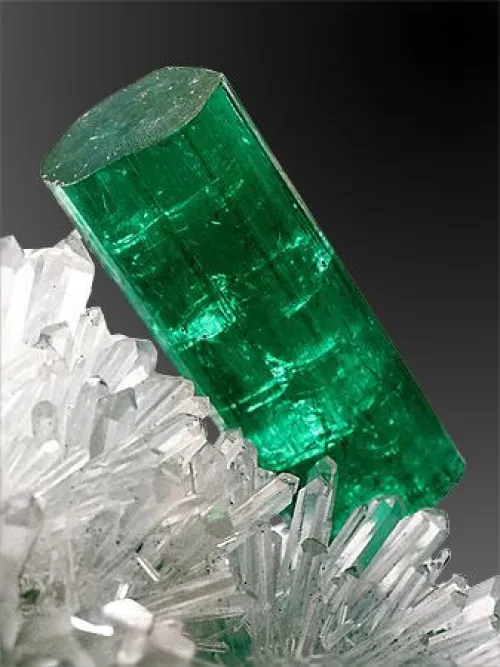
Picture this: sunlight catches a carved emerald pendant worn to a garden wedding – suddenly that green feels deeper, more alive than in the jewelry store's LED lights. Or consider how an heirloom ring's slight inclusions become cherished markers of family history rather than "flaws." Whether you're researching birthstones, assessing an art deco brooch, or simply captivated by that impossible green, cultural connections emerge when we observe how emeralds intersect daily life. Some seek to decode historical symbolism, others focus on judging quality through visual cues, and many wonder how these gems transitioned from royal treasures to modern design elements. Where does your curiosity lie?
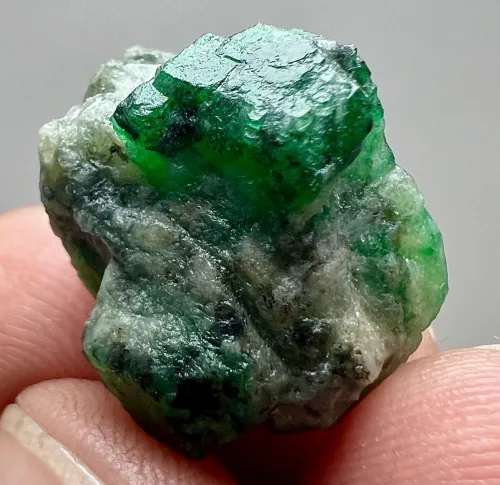
If you're driven by emeralds' mythic associations – embodying rebirth in Ancient Egypt, fertility for Incan rituals, or eternal spring in Persian poetry – focus here on the shared themes crossing eras.
That saturated green speaks directly to our neurological wiring for life-affirming tones. Chromium traces absorb light to create an incomparable spectral signature found nowhere else in nature on such scale. Throughout European courts, this chromatic radiance signaled divine favor and authority. Even under office fluorescents, an emerald may maintain gravitas because human vision tends to prioritize greens. Its color variations – from fresh-leaf vibrancy to deep forest shadows – ensure adaptability while maintaining core recognition.
Unlike diamonds where clarity dominates value, jardin formations in emeralds function as cultural fingerprints. Mughal engravers incorporated veils into carved gardens symbolizing paradise. To notice jardin is to observe natural artistry:
If conquests, trade routes, and artistic techniques fascinate you – understanding how context transformed stones into legends – this explains the scaffolding behind symbolic weight.
A Colombian emerald's velvety saturation differs from Zambia's cooler tones, creating regional visual dialects. Spanish galleons carried American treasures to Europe where guilds created settings enhancing chromatic impact against golden candlelight. Without royal patronage and colonial resource extraction, the stone's cultural prominence might have remained localized rather than becoming globally resonant.
Cabochon cuts preserved mass for talismanic carving during medieval periods, whereas Art Deco geometric faceting mirrored modernist ideals. Each design language shifts light interaction:
(7.5-8 Mohs hardness): Settings shielding vulnerable corners preserved heritage artifacts through turbulent histories.
For those exploring emeralds beyond vitrines – perhaps considering how their presence influences modern interiors or personal style – observe how context activates cultural connections.
A thumb-sized crystal as a desk object refracts differently at dawn versus lamplight, becoming a dynamic focal point without explicit adornment. Designers integrate emerald tones through velvet cushions that deepen at twilight or kitchen tiles whose glaze shifts with cooking steam. Notice how:
Unlike opaque gems needing front-stage placement, emeralds function conversationally in subtle roles: cufflinks catching conference room lighting, or pendant stones glowing unexpectedly under outdoor markets' canopies. Their 7.5-8 Mohs hardness allows ring use with care, while protective bezels prevent chips during commutes. Over years of wear, faint surface character can develop, maintaining emotional attachment without demanding museum conditions.
If your focus involves recognizing quality and meaningful characteristics – beyond commercial grading – this perspective prioritizes experiential qualities over certificates.
Quality begins with observing how greens perform under multiple conditions: morning light reveals yellow undertones; candlelit dinners mute bluer shades into mystery. Beware digital presentations - screen calibration differences can misrepresent saturation. Instead seek stones demonstrating:
Unlike diamonds optimized for refraction through cut precision, fine emeralds reward proximity and touch. A well-finished bezel feels reassuringly substantive; a tumbles-stone's worn edges tell stories. Cultural meaning emerges through this tangible relationship independent of therapeutic claims - it’s about maintaining ancestral connection through materials.
Should your interest span the journey from geological formation to cultural myth-making, this traces layers of meaning embedded within physical origins.
Trace elements like vanadium infusing beryl crystals millions of years ago created color palettes defining regional identities. Colombian gems forged in tectonic collisions yield different greens than granite-hosted African stones. These "signature hues" became trade identifiers long before gemology:
Modern identification involves magnifying internal landscapes, yet cultural verification examines historical context: Mughal carving motifs, Art Nouveau frame aesthetics, or provenance documentation. Natural inclusions may distinguish heritage pieces from later treatments seeking to mask geographical authenticity.
Emeralds transcend fixed definitions because they reflect light, environments, and perspectives. When thinking how this applies within your routines: if history inspires you, prioritize origin stories and signature cutting methods; if evaluating pieces, notice how light interacts across your most frequented spaces instead of relying solely on grading reports. Perhaps introduce emerald tones through pottery placed where dawn enters your kitchen, or select jewelry settings complementing your wardrobe textures? The intention matters less than finding where green aligns authentically with your world. Let it be something quietly rooted in places where color makes you pause a moment longer.
Q: Can everyday use diminish cultural significance?
Daily wear develops patina layers which may enhance personal narratives without eroding historical associations. Protective settings balance accessibility with preservation.
Q: What if an emerald looks different online?
Digital representations often distort blue-yellow balances. Natural daylight remains the truest evaluator, especially indirect afternoon light revealing tonal complexity.
Q: Do lighter tones carry less cultural weight?
Light mint greens dominated Russian imperial collections, proving paler tints cultivated distinct regional symbolism beyond saturation hierarchies.


$
