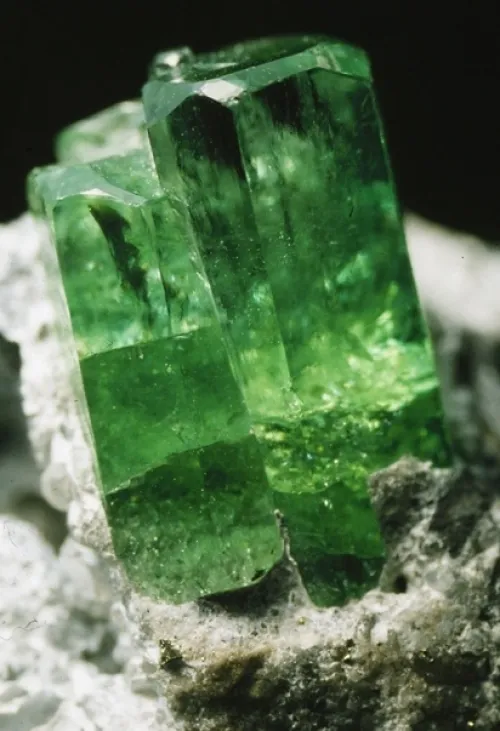
Yes, emerald qualifies as a crystal. Specifically, it's a green-hued variety of the mineral beryl, characterized by its distinct hexagonal crystalline structure formed through geological processes under distinct heat and pressure conditions. If you remember one thing, let it be this: Emeralds gain their crystalline status from their ordered atomic arrangement, while their legendary green comes from trace chromium and vanadium.
Imagine sunlight catching the surface of a deep green stone in a jewelry display case. The color shifts between vibrant and velvet depending on the store's track lighting. Nearby, someone flips a ring between their fingers, scrutinizing whether it's truly "emerald" or simply colored glass. Across the room, a geology enthusiast examines microscopic patterns. Each person is asking the same fundamental question—what is this stone, really?—but driven by different needs: the jewelry buyer wanting assurance about beauty and durability, the collector considering authenticity, the scientist studying mineral formation. Whether you're checking product descriptions, evaluating gift options, or nurturing mineral curiosity, your focus determines which details matter most.
For readers wanting unambiguous categorization—whether for academic reference, mineral collecting, or settling basic curiosity—these fundamentals establish emerald's identity within mineral classification systems.
Emerald meets the criteria of a crystal through its hexagonal atomic structure. Like other beryl varieties, emerald forms as geometrical prismatic columns caused by systematic molecular repetition in its lattice pattern. This crystallinity creates visual consistency across natural formations, though surface textures may vary. The mineral beryl itself serves as the crystalline host for emerald’s iconic green, which happens when trace amounts of chromium or vanadium become embedded during formation.
Emerald belongs to the beryl mineral species family. Its crystalline structure shares traits with non-green beryl cousins like aquamarine or morganite, differing only in coloration mechanisms. In laboratory classification systems, whether an individual specimen qualifies as emerald hinges primarily on color saturation and chemical triggers. Light-toned green beryl without sufficient chromium might not earn the distinction.
When visual appeal draws you to emerald—perhaps for design inspiration, jewelry appreciation, or photographic interest—this section highlights how lighting and texture shape its interaction with surroundings.
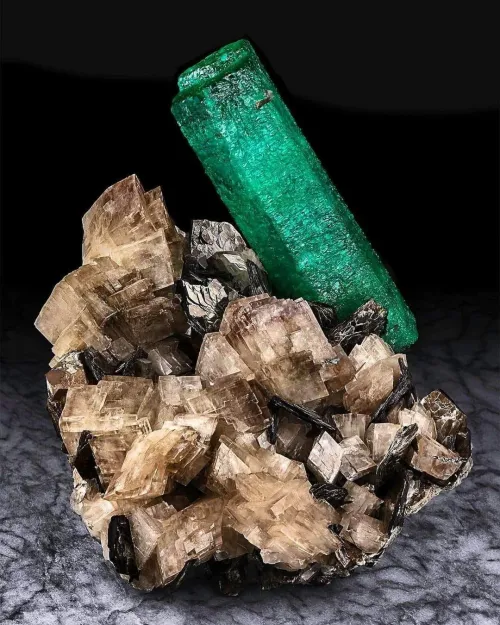
The interaction between emerald’s color saturation and environmental light creates its signature effect. Chromium and vanadium impurities absorb specific light wavelengths to create its signature greens. Notice how the stone might appear richer in natural morning light but more muted under warm evening bulbs. Office fluorescents can flatten its depth, while candlelit gatherings may emphasize warmer undertones. Over decades, prolonged exposure to direct sunlight can, in some stones, lead to subtle fading due to trace elements' sensitivity.
When studying its appearance, pay attention to three cues:
Natural emeralds rarely show flawless clarity. Instead, characteristic inclusions known as "jardin" patterns create soft velvety effects when viewed from standard distances. Under magnification, these features form intricate landscapes of crystals or fractures. Transparency typically ranges between semi-translucent to opaque zones, depending on fracture density. Growth patterns leave behind distinct markers like longitudinal streaks or hexagonal columnar structures within cut stones.
With a 7.5–8 rating on the Mohs scale, emerald offers moderate scratch resistance against everyday hazards like keys or accidental bumps. However, cleavage planes within its crystal lattice create impact sensitivity, making bezel settings essential for rings subjected to daily wear. Surface texture tends toward vitreous luster when polished, though over decades of ownership, you may notice microscopic abrasions along facet junctions after repeated contact with household surfaces.
Geological enthusiasts or ethically minded shoppers might prioritize understanding how geographical locations shape emerald traits. This context links environments with visual outcomes.
Different geographic formations—from Colombian metamorphic rocks to Zambian hydrothermal veins—create signature mineral patterns. Chromium-rich Colombian stones tend toward warmer blue-greens, while vanadium-dominant Zambian emeralds often shift toward cooler tones. These differences become visible through specialized magnification techniques that trace color zoning or specific inclusion types unique to certain regions. Formation pressures and cooling rates also affect how fractures develop during crystallization.
Practical-minded readers—jewelry buyers, daily wearers, or collectors—gain insights about maintenance, selection markers, and value indicators tailored to real-world decisions.
Factor lifestyle environments into emerald selections. Bezel or halo settings provide structural protection against impacts during commutes or active routines. Note that common ultrasonic jewelry cleaners may cause existing internal fissures to expand. Instead, gentle wiping with a soft cloth maintains surface integrity. Avoid thermal shocks like hot tubs → cold air transitions, which might enlarge imperfections. For long-term storage, separate compartments prevent scratches from harder stones against emerald surfaces.
Expect to see natural imperfections in untreated emeralds. Inclusions called "jardin" patterns serve as authenticity signatures under magnification, while lab-created versions often display fewer imperfections. Note that oiling treatments may reduce the visibility of surface-reaching fractures—a standard industry practice. When comparing stones digitally, remember online photos sometimes oversaturate colors. For accurate evaluation, request images against neutral backgrounds in various lightings: daylight, office fixtures, and warm artificial bulbs together reveal a fuller picture.
The emerald’s journey from crystal to personal treasure starts with your practical priorities. If fundamental definition satisfies your curiosity, carry this fact away: It’s chromium-tinted hexagonal-structured beryl—a geologically formed crystal. When selecting pieces for aesthetic pleasure, focus on how color shifts during your routine lighting moments—the office windowsill versus evening lamps. For daily-worn gems, prioritize protective settings and gentle cleaning methods knowing the structural strengths and vulnerabilities. Should geological origins fascinate, research how Colombian versus Zambian stones carry distinct personalities within their inclusions. Whatever draws you into the green, let natural markers guide trust, atmospheric light shape enjoyment, and structural reality inform usage. With these insights, the mineral finds purpose whether as a study piece, gift accent, or integrated adornment that brings earthy vitality into ordinary moments.


$
