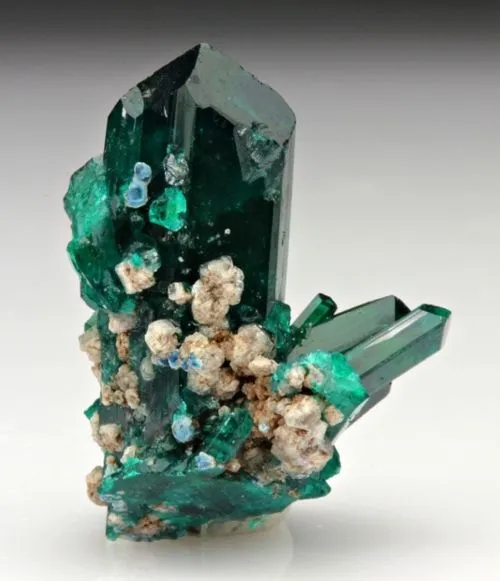
Picture yourself attending an evening event where candlelight catches both the crystalline spark of an emerald pendant and the soft luminescence of pearls encircling your neckline. That exact moment – when natural glow meets mineral structure, light playing across both textures – sparks the question so many jewelry lovers contemplate: can these fundamentally different materials truly coexist in one's collection? From a jewelry designer's sketchpad to your morning dressing ritual, pairing these materials involves navigating considerations spanning science and aesthetics. Some seek straightforward compatibility confirmation; others worry about pearl surfaces etching against harder gems; many simply want visual strategies for office lighting or special occasions. Whatever brings you here, the interplay of durability and delicacy deserves measured consideration.
This section examines whether the fundamental differences in material composition prevent pairing, especially for those determining if daily coexistence is feasible.
The combination remains technically possible precisely because hardness differentials can be managed with spatial awareness. Emeralds typically register 7.5-8 on the Mohs scale while pearls range between 2.5-4.5, meaning emerald edges could potentially abrade pearl nacre during friction events. However, solutions like vertical layering or metal separators may neutralize this contrast. Antique combinations show varied preservation outcomes suggesting historical artisans had techniques for material isolation.
Microscopic examination reveals differences in surface vulnerability between smooth pearls and typically included emeralds. This contrast fuels misconceptions that prevent experimentation:
For readers prioritizing damage prevention, this covers practical strategies to minimize abrasion while accommodating lifestyle movement.
The organic composition of pearls makes them vulnerable to scratching when contacting harder minerals. Physical impact points require special attention:
Designs incorporating buffer elements like metal terminals may reduce direct physical contact between components without compromising visual flow.
Longevity considerations must acknowledge chemical sensitivities between materials in common environments. Temperature sensitivity differences may cause subtle movements within settings in humid climates. More critically, cleaning solutions safe for inorganic emeralds could potentially damage the nacre layers of organic pearls. Daily wear frequency correlates with observable changes to pearl surfaces in mixed assemblies, making these approaches beneficial:
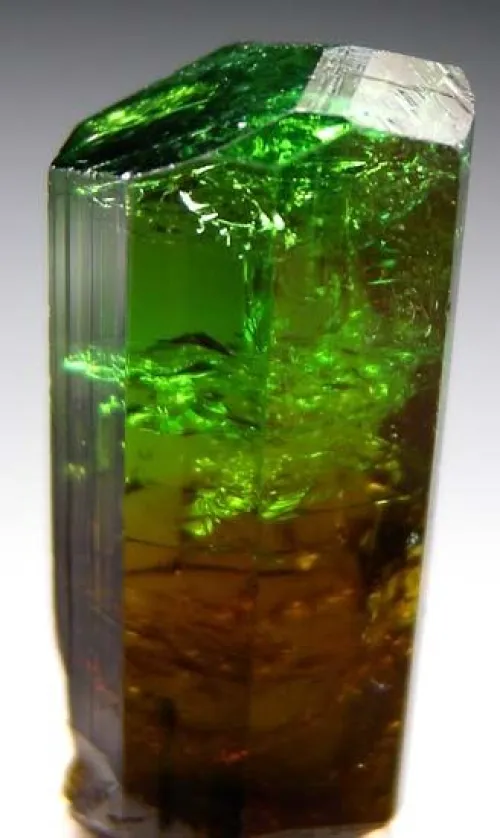
This addresses achieving optical cohesion between these distinct materials under different lighting environments.
Variations in pearl luster responsiveness might occur when paired with higher-refractive-index emeralds. Practical pairing solutions adapt to environments:
Pearl overtone variations might subtly alter perceived emerald color intensity based on background contrast. Achieving visual coherence relies on managing these interactions:
Should basic compatibility be your main takeaway, prioritize designs with physical separation through settings like bead spacers. For durability concerns, focus on bezel protection in high-impact pieces and establish consistent storage protocols. If achieving visual cohesion lights your interest, start by experimenting how emerald greens interact with pearl overtones under natural daylight and evening lamps. Notice how both elements contribute light differently to your complexion, perhaps finding that pearls lend subtle glow while emeralds provide focused brightness near collarbones or wrists.
Can this combination work for daily office wear?
Selected pieces may be suitable: pendant necklaces and earrings experience less impact than bracelets. Choose designs with buffer elements protecting pearls from abrasion.
How should cleaning routines differ?
Gentle wiping with separate cloths is safest. Pearls require dry storage after exposure to humidity, while emeralds need protective sealing to maintain fracture fillings.
Do humid climates affect these pairings?
Temperature sensitivity differences between minerals may cause subtle expansion variations. Storage environments preventing surface contact minimize interaction risks.


$
