Generally avoid ultrasonic cleaning for emeralds due to their natural inclusions and fracture-filled treatments. The high-frequency vibrations, chemical solutions, and heat exposure may cause internal fractures to propagate or fillers to degrade, leading to cloudiness or structural damage. For most emerald jewelry, manual cleaning with mild soap and water remains the safer approach to preserve both beauty and integrity.
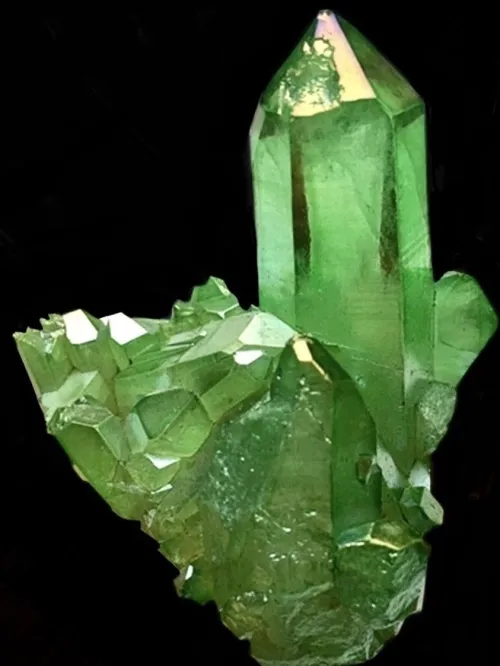
Picture your favorite emerald piece catching afternoon light—a ring worn daily, a pendant saved for special occasions, or an heirloom bracelet connecting generations. For many, the vibrant green stone evokes sophistication and history, but also practical questions when cleaning becomes necessary. Like discovering a smudge during office hours or noticing built-up residue after an evening event. While ultrasonic cleaners promise effortless restoration for many jewelry pieces, not all gemstones respond equally to high-frequency vibrations. Concerns vary: Some focus on immediate cleaning risks, others ponder long-term preservation of collector-grade pieces, and many simply seek maintenance methods that align with life’s fluid rhythm. Wherever your priority lies—practical care, gem structure understanding, or legacy preservation—the approach differs.
For those wanting clear guidance on routine cleaning decisions, focus on fracture sensitivity and treatment vulnerabilities. Emeralds belong to unique care territory.
Emeralds often contain microscopic internal fractures that react unpredictably to ultrasonic vibrations. The rapid pressure changes from ultrasonic cavitation can cause existing fractures to expand or create new fissures. Stress points emerge where vibrations transfer unevenly—near inclusions or where prongs hold the stone. With frequent exposure, accumulated micro-damage may eventually manifest as visible cracks or surface-reaching fractures that collect residues.
Most commercial emeralds receive clarity enhancements affecting cleaning safety:
For readers fascinated by the intersection of physics and geology, emeralds reveal unique reactions under ultrasonic exposure.
Emeralds, being beryl crystals, develop internal tension planes during formation when chromium/vanadium trace elements displace beryllium atoms. Unlike quartz or diamond, beryl's hexagonal structure transfers vibration waves unevenly through these planes. The resultant harmonic resonance may create standing waves at fracture junctions. Consequently, during ultrasonic cleaning, sustained vibration energy can propagate along inclusion boundaries that might remain inert during manual cleaning.
The cleaning effectiveness varies significantly depending on equipment parameters and solution properties. Higher frequency units generate smaller bubbles that penetrate inclusions more deeply, while lower frequencies produce violent implosions near the gem surface. Combined with thermal fluctuations between cleaning cycles and rinsing, thermal shock becomes likely as different mineral components expand at varying rates. Particularly vulnerable are pieces transitioning from warm solution baths to cold rinses.
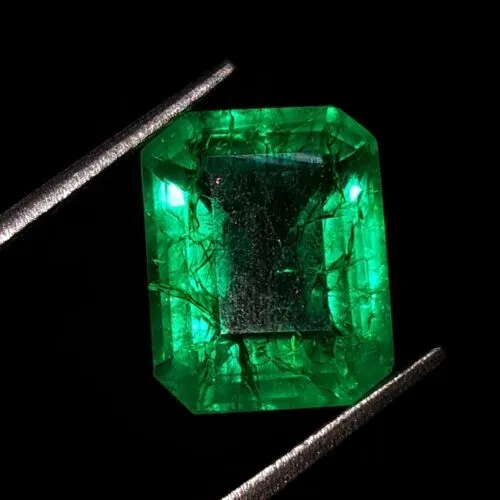
For those valuing professional-level care without ultrasonic systems, several methods maintain brilliance while minimizing mechanical stress.
Pre-cleaning inspection techniques help identify vulnerable areas:
Readers managing heirlooms or treated stones benefit from understanding subtle damage indicators.
Gemological documentation significantly influences cleaning approaches. Certificates typically identify enhancement types:
Setting mechanics alter ultrasonic susceptibility:
For collectors and generational guardians, focus extends beyond cleaning methods to multi-decade integrity preservation.
Long-term value preservation involves environmental interactions beyond cleaning cycles. Humidity variations in living spaces and storage environments can expand or contract fillers differently than surrounding mineral material. Combined with repeated thermal shocks during cleaning, micro-fractures gradually propagate. Maintaining stable humidity near 40% helps preserve treatment integrity. Also consider metal fatigue where settings endure decades of vibrational stress during cleaning, creating microscopic weaknesses.
Recommended assessments for heirloom pieces:
Whether refreshing daily jewelry or safeguarding irreplaceable pieces: If immediate safety matters most, remember emerald's inherent fracture sensitivity contraindicates ultrasonic cleaning for most stones. Those prioritizing science should note how beryl's crystalline structure amplifies vibration stresses near inclusions. If adopting professional alternatives, integrate inspection routines with gentle manual techniques. For vulnerability assessment, lean on gemological documentation and setting design analysis. Forward-thinking collectors maintain environmental controls and scheduled monitoring. This knowledge integrates into life's moments—cleaning an engagement ring in the evening sink light or preparing treasures for changing seasons—helping each decision align with quiet practicality.
Q: Can untreated emeralds withstand ultrasonic cleaning?
A: Natural emeralds remain structurally vulnerable regardless of enhancement status; microscopic liquid or gas inclusions can expand when subjected to ultrasonic cavitation forces.
Q: How do cleaning risks differ between emerald cuts?
A: Step cuts like emerald cuts concentrate vibration points at angled corners, while rounded cuts generally distribute pressures more uniformly—though substantial variations exist between settings.
Q: Does jewelry size influence cleaning method choices?
A: Larger emeralds contain proportionately more inclusions and fracture networks, increasing potential failure points, while smaller stones show lower risk profiles yet need identical precautions.


$
