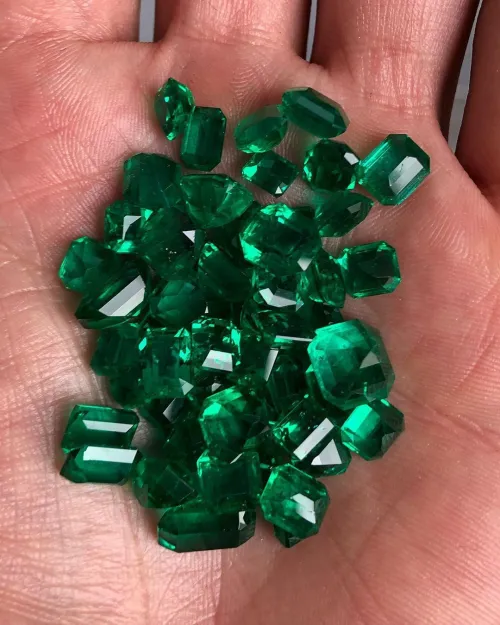
Picture this: you're preparing an heirloom emerald necklace for a dinner gathering under soft golden light, when you notice its deep green hue seems clouded—less luminous than before. Or perhaps after years of regular wear, the ring you paired effortlessly with work outfits starts looking dull under office fluorescents. Many encounter oil-treated emeralds unexpectedly: a gift loses its vibrant glow during a summer event, or an inherited piece appears hazy after a minor cleaning. Different motivations draw readers here. Some simply want to understand the step-by-step process for peace of mind. Others focus on visual hints to identify oil presence like changes in clarity or light refraction. A few weigh options between DIY care and professional help. And some prioritize long-term actions to maintain the gem's allure in daily contexts—home display, jewelry rotation, or gift considerations. Whatever your intent, this article meets you where you are.
If your focus is grasping the 'why' behind oil treatments in emeralds—how they mask flaws and why removal impacts light interaction—this section breaks down core principles with everyday applications. It covers solubility rules and environmental effects in practical terms.
Gentle solvents can dissolve oils effectively: acetone, for instance, works by breaking down fracture-filling oils without harming the emerald's beryl base. Solvent immersion must be monitored though, as some oils may resist dissolution over time due to molecular shifts. Surface tension variations between compounds influence how deep solutions penetrate microscopic channels, which may vary under different home environments.
Refractive index shifts are central to visual changes: when oil is replaced by air in fissures, light transmission alters noticeably. Heat around 120-150°C may assist evaporation, but emeralds tend to exhibit thermal shock susceptibility during such processes. Understanding this is key for managing expectations under lighting variations, like during evening events.
Readers prioritizing actionable steps will find this essential: it outlines cautious DIY methods while emphasizing when professional help is prudent, linking techniques to real-world scenarios like post-cleaning haze.
A step-by-step approach minimizes risks: Begin with controlled solvent soaking to displace oils. Ultrasonic methods can dislodge surface residues without direct friction, yet fragile stones pose fracture risks if agitated. Combining solvent baths with drying cycles aids thorough extraction, though always observe for signs like clarity shifts in ambient room light.
Your context determines the best approach: consider humidity levels in your home or storage space before proceeding. Opt for multi-step methodologies when visibility concerns arise under daily conditions. A quick guide notices key factors:
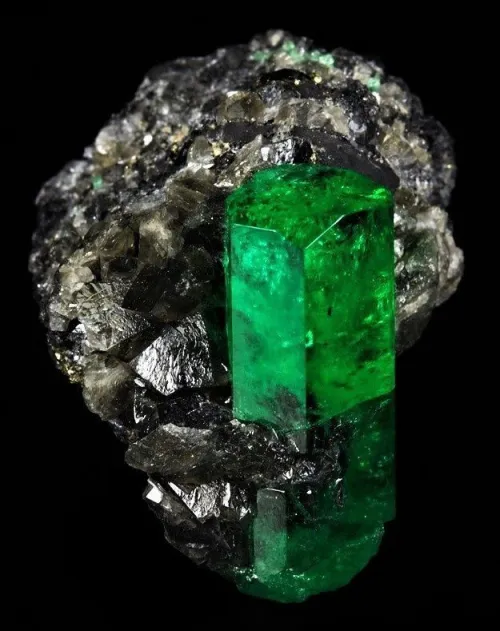
If shifts in transparency fascinate you—how an emerald reveals a textured network beneath office lighting after treatment—this explores before-and-after optics. It's ideal for those judging success by eye or preparing jewelry for social use.
Post-removal, clarity changes disclose hidden fissures: what once looked smooth under a chandelier now shows intricate depths. Weight differences before and after can signal oil displacement. Magnified views may show residue accumulation, changing how the gem contrasts against fabrics in daylight.
Adapting care preserves results long-term: Switch to gentle cleaning approaches after removal, avoiding steam to protect vulnerabilities. Re-oiling frequency tends to depend on environmental humidity, which may vary in different rooms or commutes. Store in sealed containers to slow contamination, much like displaying it subtly on a desk.
This part suits readers pondering 'afterward' questions in daily life—how handling the emerald post-treatment fits into outfits, gifting, or home ambiance—without overcomplicating.
Common queries get straightforward answers: Re-treatment viability often relies on fissure integrity after oil removal. Transparency fluctuations can occur until stabilization, which may take place naturally. Professional recutting might become needed if fractures compromise aesthetics for evening wear.
Take a moment to consider how this knowledge fits your world: If you needed one definition, remember oil removal relies on precise methods to maintain the gem's essence. Visually inclined readers should hone in on clarity shifts and light contrasts when assessing success. For daily integration, focus on storage choices or cleaning adaptations that align with your space. Observing these details quietly brings authenticity to your environment—whether it’s the emerald on a shelf catching morning light or nestled in a cuff link box, let its story unfold subtly.
How does ultrasonic cleaning work safely?
Ultrasonic units loosen oils but should only be used on surface fissures with vibration checks first, as deep cracks can fracture.
Can all oils be removed from emeralds?
Depth and oil viscosity influence outcomes; polymerized oils may resist full dissolution.
What's the impact of humidity long-term?
High humidity environments may affect re-oiling needs more quickly, altering how the gem appears.
Are heat methods risky?
Temperatures must stay controlled to prevent thermal shock.
How does removal affect gem weight?
Weight changes after treatment indicate successful oil displacement.


$
