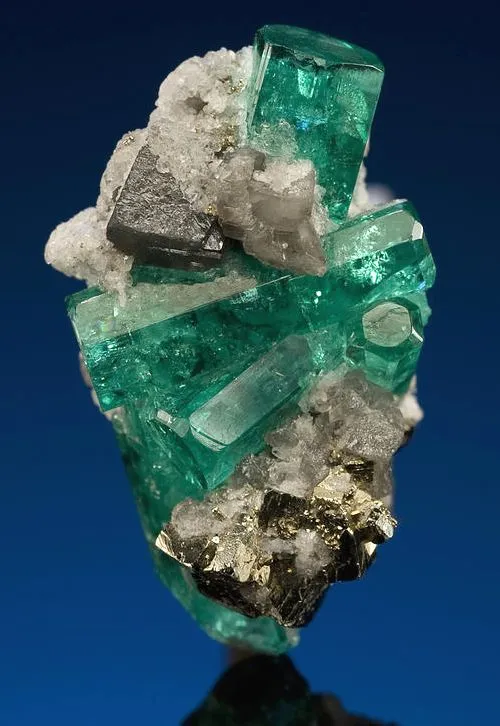
You notice it catching the late afternoon sun through café windows—a flash of cool green on someone’s finger during your commute. Later, while browsing a heritage jewelry exhibition, that same vibrant glow reappears, this time anchored in a Victorian brooch beneath careful gallery lighting. Emeralds thread through human history with quiet persistence, appearing in Cleopatra’s diadems, Colombian mines, and a contemporary engagement ring. Readers approach emeralds differently: some seek foundational technical understanding, others care about authentic integration into modern wardrobes, many ponder their geological journey, and quite a few just need quick answers about care or valuation. Understanding emeralds requires acknowledging these varied entry points.
This section explores how emeralds sustained fascination across millennia, blending mineral science with cultural significance through vivid historical narratives.
Egyptian Pharaohs during the Ptolemaic dynasty mined emeralds near the Red Sea around 300 BCE, valuing them for ceremonial adornment in strongly directional sunlight where their crystalline structure created vivid chromatic contrast. Chromium and vanadium impurities in beryl generated deep green colors that remained visually impactful under both palace torchlights and desert sun, becoming synonymous with regeneration. Spanish explorers then sourced finer Colombian specimens through extensive trade routes in the 16th century—these displayed fewer fractures under Baroque candle illumination than Egyptian stones, amplifying their appeal across European elite society and religious artifacts.
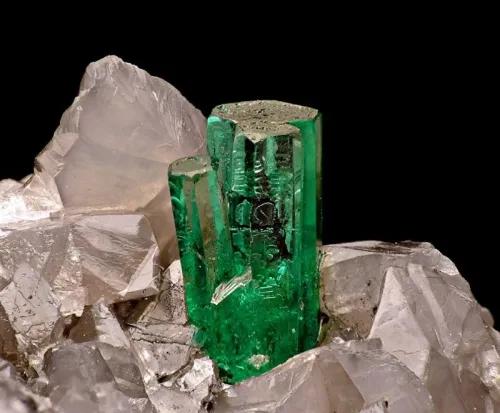
The geological foundations shaping emeralds reveal nature’s precision, directly influencing how light interacts with every stone in observable settings.
Emerald formation emerges through hydrothermal processes where mineral-rich fluids permeate faults in host rocks like shale or granite over eons, allowing beryl crystals to develop under heat and pressure gradients. Color variations observed today often trace to specific chromium concentrations within metamorphic zones; Colombian emerald deposits in sedimentary rock tend to form paler saturation than Zambian stones originating in magmatic environments. The hexagonal crystal lattice traps bubbles, liquid remnants, or mineral traces called jardin—organic patterns lending each stone unique dimensionality that interacts subtly with ambient light sources like recessed ceiling lamps or window-filtered daylight.
For readers considering emerald jewelry alongside existing accessories, this section links physical nuances to wearable versatility across environments.
Evaluating emeralds involves balancing technical attributes against lifestyle aesthetics—note how a moderately saturated stone might transition from muted olive under office fluorescents to vibrant spring green at garden parties under dappled sunlight. Protection techniques like bezel settings shield edges vulnerable to abrasion from daily friction against keyboards or fabric while preserving luminosity. When considering design integration, the gem’s inherent dichroism appears differently across viewing angles; a pendant may project brighter tones at standing height under gallery lighting than when viewed near countertop candles. Weight also matters—emerald density suits substantial settings avoiding delicate wire-thin prongs incompatible with routine wear.
Assessing authenticity begins with visual cues observable through portable loupes under consistent light: natural inclusions form irregular organic patterns unlike mechanical flaws in synthetic alternatives created through flux methods. Long-term material behavior clarifies authenticity—emeralds tend to deepen perceived saturation under warm incandescent bulbs while resin-treated fractures might cloud or yellow over decades when stored in dry conditions. Fluorescence under ultraviolet illumination often appears red; its absence suggests unnatural stabilization methods. When reviewing photographic listings, note lighting differences altering saturation—natural daylight evaluation remains essential since LEDs might overemphasize blue undertones while evening lamps enhance warmth.
This section delivers focused clarifications on maintaining appearance and navigating valuation differences.
How should I protect emeralds during daily activities? Storage in humidity-controlled environments helps stabilize permeability in resin-treated stones. Gentle surface cleaning avoids harsh detergents that can degrade fracture-filling materials—consider ultrasonic methods risky for non-solid stones.
Do inclusions indicate poor quality? Historically termed jardin, visible inclusions occur naturally across most untreated emeralds, affecting transparency rather than durability. Minimal jardin shows under magnifiers, potentially enhancing authenticity perception.
Why might similar-sized emeralds vary significantly in value? Pricing tiers reflect color distribution consistency under multiple light types plus treatment transparency—even comparable stones might differ 50% according to saturated hue stability across morning light versus gallery spots.
Reflect on where this remarkable history might intersect your routines—how an inherited ring brings geological scale to weekday meetings under fluorescent tubes, or a carefully chosen stud earring punctuates neutral tones at gatherings with quiet chromatic authority. Notice morning sun catching subtle jardin patterns during commutes, or feel the weight connecting contemporary design choices to pre-Columbian craftsmanship principles. Rather than pursue trends, let appreciation deepen through practical engagement: store jewelry thoughtfully, understand setting types preserving vulnerable edges, and embrace how even softly-treated stones carry observable narratives linking deep time and human artistry. Allow the emerald to transform familiar spaces—a study shelf, jewelry tray, or occasional formal accessory—without requiring dramatic alterations.


$
