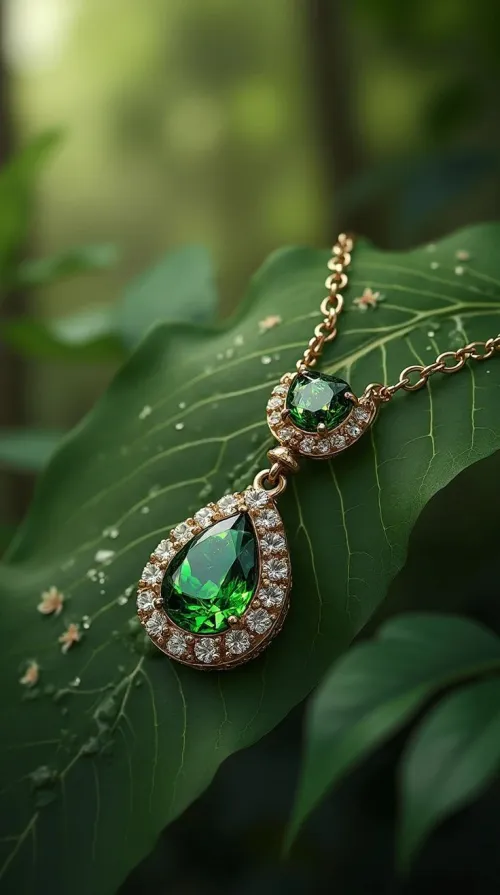
Imagine the moment: slipping on an emerald piece minutes before a holiday gathering, the gem catching twilight through a window. That deep green becomes not just jewelry, but an extension of the season's spirit. Yet everyone arrives at this choice differently—some seeking pieces that withstand seasons of celebrations, others prioritizing how metals interact with skin tones or party lighting. Perhaps you need reassurance about practicality amidst champagne toasts, or seek insight on materials that mature gracefully. Your priority determines where to concentrate attention.
For those new to gem-metal harmonies or needing a clear starting point, this section explores how different metals fundamentally interact with emerald's green. We'll examine underlying properties creating visual impact.
Emeralds find natural expression alongside several metal types. White metals, such as platinum or white gold, can create notable contrast that frequently intensifies the perceived saturation of the gem's color. In settings with controlled directional lighting—like gallery spotlights or dinner candles—this increased vividness becomes particularly noticeable. Warm metals operate differently: yellow gold provides a complementary earthiness that may soften the transition between gem and setting during candlelit gatherings. Rose gold introduces a subtle warmth that tends to evoke intimacy, often leaning toward romantic or wistful expressions in jewelry.
Festive environments introduce variables that change how metals engage with emeralds. Consider how polished precious surfaces bounce illumination onto gem facets in dimmed social spaces. Reflective metals can enhance perceived sparkle when ambient lighting lowers during parties or dinners. Weight distribution also matters more during long celebrations: a balanced setting often avoids rotational discomfort in rings or pressure points in necklaces during hours of wear. Notice three significant considerations:
Tailoring emerald pairings involves envisioning where they'll be worn. This section addresses adapting metal choices to different celebratory contexts while maintaining personal aesthetics.
Festive designs incorporate varied approaches to align with their environment. Form-fitting platinum settings often suit formal venues where overhead lighting creates clear separation between gem and metal. Contrast its streamlined effect against more intricate approaches: layered or mixed metals bring dimensionality that tends to resonate at gatherings emphasizing tactile experiences like gift exchanges or craft-centered holidays. When anticipating specific lighting—warm-toned string lighting versus cool museum-quality spots—test how metals transition between environments. Online previews have limitations: photographic lighting may misrepresent how a white gold setting registers at twilight versus under midday windows.
Peace of mind during celebrations comes when jewelry feels harmonious. Here we address how materials hold up over seasons of parties and gatherings.
Weight distribution becomes noticeable over festive evenings—earrings should feel secure without dragging, rings comfortable during dining gestures without constant repositioning. Materials affect this consistently: platinum's density creates reassuring heft suited to active gatherings but requires acclimation, while lighter alloys better accommodate energetic celebrations. Settings also influence practical wear: bezel arrangements surround the gem securely and may reduce snagging on fabrics, whereas prong designs invite more light but increase inspection needs. Always consider:
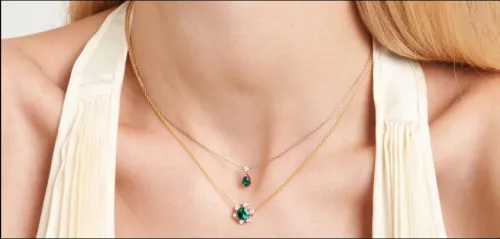
Visual indicators help determine craftsmanship and potential durability without technical knowledge. This section cues what to notice immediately.
Surface finish provides initial insights: well-executed settings exhibit smoothness where metal contacts skin or clothing without rough transitions. Observe how consistently light travels across polished areas—uniform reflections suggest precise finishing, while inconsistent shadow patterns might indicate irregular smoothing. Over seasons, natural variations emerge: certain metals develop surface characteristics like slight patinas that can add vintage distinction without compromising integrity, whereas uneven discoloration may signal oxidation vulnerability. Notice two maintenance aspects related to appearances:
Reflect on where emerald pairings naturally intersect your celebrations. For definition-focused readers, retain the principle that metal undertones establish the gem's mood - cool metals energize, warm metals deepen. If daily practicality matters, prioritize settings offering confidence during extended wear. When evaluating pieces, remember luminosity and seamless construction signal thoughtful craft. Let a chosen combination resonate through your gatherings as one considered touch among many.
Q: Can specific metals diminish the green of emeralds?
A: Metals themselves cannot dilute gemstone color, though high-contrast settings often intensify perceived saturation. Personal skin undertones and surrounding fabrics have greater influence on visual presence.
Q: How noticeable is metal-weight difference at gatherings?
A: Weight distribution tends to affect comfort over lengthy celebrations. Balanced designs avoid localized pressure; those preferring heft select denser metals, those prioritizing comfort choose lighter alloys.
Q: Do mixed-metal settings complicate wearability?
A: Well-crafted combinations provide style flexibility without maintenance issues. Mixed pieces can transition seamlessly between seasonal events with diverse dress codes.
Q: When should metal oxidation become a concern?
A: Minor tarnish may naturally occur when exposed to cosmetics or humid environments. Regular gentle cleaning maintains integrity; rapid discoloration often indicates cleaning routine adjustments are needed.


$
