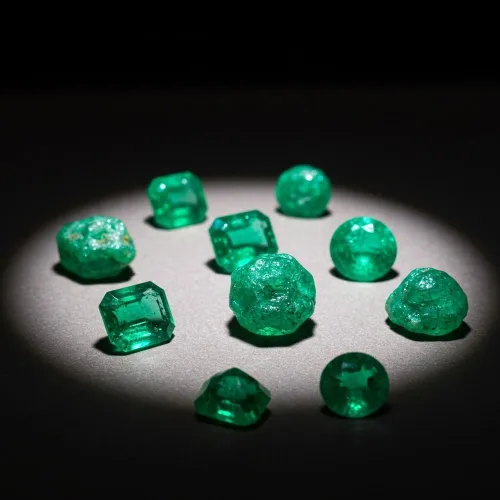
It happens that moment you open your jewelry box—several emerald pieces whispering possibilities, yet hesitation lingers. Maybe it's preparing for an important meeting where professional polish shouldn't become theatrical display, or choosing accessories for a twilight gathering where you want to catch the glow without dominating it. One person worries about stacking necklaces tangling into a messy knot under office lighting. Another deliberates whether different stone sizes will clash during quick city walks. Some simply seek clear visual anchors amid multi-piece combinations, while others prioritize ensuring each gem's color sings without overwhelming. What connects us is that tension: how to celebrate these captivating greens without tipping into excess.
For readers seeking structural clarity—those who want reliable principles to guide any combination.
Successful emerald layering starts with establishing clear visual hierarchy through intentional size progression and spacing. Graduated stone sizes tend to create gentle transitions that guide the eye smoothly downward—a petite pendant can transition to medium huggies before reaching more substantial cuff styles. Notice how thinner chain links serve as nearly "invisible" foundations; their flexibility prevents stiffness when combined with heavier or textured pieces in casual settings like weekend markets or cafe meetups. Crucially, intentional spacing between pieces (adjustable throughout your day) may prevent that crowded look that amplifies under direct office lighting. When pieces aren't fighting for attention, each gem's character contributes to—rather than competes with—your overall aesthetic.
For those fascinated by material properties—readers who notice how gems interact with different environments.
Emeralds engage uniquely with light and surroundings—their vivid greens responding distinctly to morning window light versus evening ambient fixtures in gathering spaces. A pendant's saturation level, for example, can shift significantly depending on whether afternoon cafe sunlight illuminates it directly or softer restaurant lighting filters through. Clarity variations become especially noticeable in layering; a cluster of garden-inclusions emerald bangles can develop velvety depth under mood lighting during evening events. Facet arrangement matters too—pieces with similar cuts tend to synchronize reflections throughout a workday, while deliberately mismatched facet patterns create gentle kinetic sparks during city strolls. Skin undertones further modify outcomes; cooler complexions may intensify blue-green notes during lunch meetings, while warm undertones can enrich yellowish hints in office-lit environments. These properties transform layering from simple stacking into light-conducting choreography.
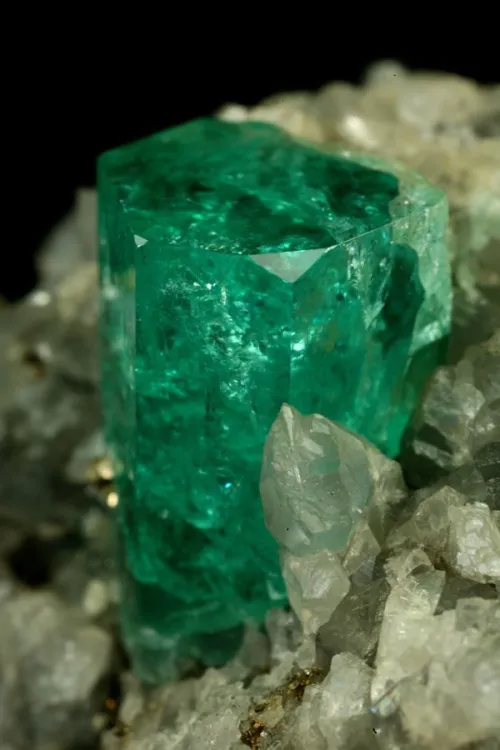
For practical stylists—readers seeking solutions tailored to commutes, work environments, or social transitions.
Effective emerald layering adapts to physical context and daily motion—place chains to follow natural body curvature so they drape neatly during rushed work commutes. Lower-profile bezel settings provide advantages here: they may avoid catching on fabrics while reducing visual bulk in seated situations like conferences or dinners. During humid summer days, slightly increase spacing between pieces to prevent excessive moisture trapping that might alter surface sheen temporarily. For those multitasking between video calls and office work, consider asymmetrical arrangements—a single statement cuff on one wrist balanced with minimalist emerald studs pulls focus upward naturally. Notice how mixing metal tones in settings moderates overall intensity; rose gold bridges can soften emerald's contrast against fair skin during daytime work hours, while yellow gold amplifies warmth at dinners. When activity increases—navigating transit or weekend tasks—adjust placements every few hours to distribute friction points, letting pieces settle comfortably.
For detail-oriented wearers—those attentive to subtle changes across seasons and situations.
Long-term satisfaction with layered emeralds involves recognizing how pieces evolve throughout extended wear scenarios—notice where friction might develop subtle surface variations over years of rotation between pieces. Well-crafted settings typically maintain consistent gemstone positioning through varied arm motions encountered during commuting or socializing. Consistent cleaning routines become especially important for multi-piece combinations where residue might accumulate in contacting surfaces before evening events—a soft brush application every few wear cycles tends to preserve optical performance in layered elements. Storage conditions matter too: when resting layered necklaces, place them flat rather than tangled so settings avoid unnecessary pressure overnight or during work trips. Over years, layered combinations can develop beautiful coherence; well-spaced pieces typically avoid scratch patterns that emerge when items constantly rub. Remember that gemstones naturally refract differently after professional cleaning sessions—a difference easily visible in multi-piece setups if maintained separately.
Let these approaches quietly adapt to your personal context. If composition principles felt most relevant: remember graduated proportions paired with adaptable spacing. For those captivated by properties: observe saturation shifts between your work lighting and home environments before combination planning. Practical strategy explorers might prioritize friction-minimizing placements for hectic commutes, while quality-focused readers could schedule seasonal storage assessments. What matters is identifying which aspect already resonates with your daily visual vocabulary. Not as transformative statement, but as that gentle assurance when opening your jewelry box—knowing precisely how to arrange your chosen greens for today's work meetings, tonight's gathering, each scenario demanding distinct yet unexaggerated expression. Let this understanding guide hand towards pieces without hesitation, creating combinations aligning with both intention and environment.
Q: Can smaller emeralds combine with larger ones successfully?
A: Yes, thoughtfully size-graded pieces tend to create harmony—try placing larger gems as anchors at wrist ends or above decolletage lines to prevent visual crowding during daily activities.
Q: How does skin texture or clothing type affect layered appearance?
A: Textured fabrics like knits may compete with elaborate combinations—consider simplifying setups for these days; smooth-collar shirts at work may support more complex layering than open-neck silhouettes.
Q: Should all layered pieces match emerald saturation?
A: Not necessarily; slight variations can add dimensionality under gathering lighting—pair one vivid element with muted stones to balance intensity levels throughout your day.
Q: What's the ideal number of pieces for everyday combinations?
A: 2-3 pieces usually maintain deliberate elegance; more requires exceptional proportional scaling for activities like commuting or daylong meetings without compromising comfort.


$
