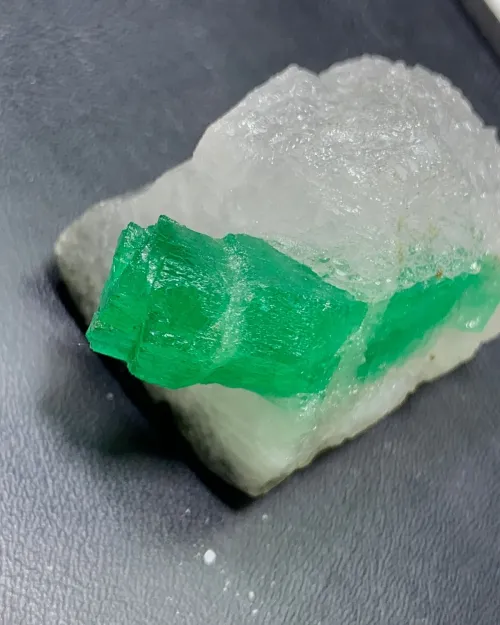
Imagine examining your grandmother's emerald ring under harsh office fluorescents, noticing faint web-like patterns you hadn't seen at the dinner party—where candlelight softened its contours. Or perhaps you're considering a purchase, bewildered by terms like "fracture-filled" and wondering what that means beneath boutique showcase spotlights. We approach gems differently: some need practical steps for immediate care, others seek understanding of how treatments affect value, while many simply want their cherished piece to hold its glow through commutes and celebrations alike. Whether you're holding heirloom tweezers or comparing stones online, your intention shapes what matters here.
For readers focused on treatment purpose and core principles, this section addresses why this practice exists and its inherent nature.
Natural fracture networks in emeralds respond uniquely to oiling because their crystalline structure creates microscopic pathways for oil penetration. These inclusions typically scatter light unevenly—like prisms catching dust—yet specialized oils can temporarily unify refraction when they fill surface-reaching cracks. This optical smoothing often appears most dramatic under shifting environmental light; a stone that seems muted on a cloudy commute may reveal vibrant inner fire when repositioned near a window. Crucially, treated emeralds maintain this clarity best in stable environments free from temperature extremes.
Professional oiling begins with ultrasonic cleaning to remove debris, followed by controlled immersion in low-viscosity oil that selectively enters fractures. The process yields different visual results depending on lighting: midday sun might reveal faint fracture maps as silvery lines, while gallery spotlights provide even diffusion showing the stone's improved transparency. Typical workshop methods ensure oil penetrates deeper fissures first, creating balanced optical continuity through gradual saturation. Ambient humidity over 60% may slow oil distribution during application.
This section serves those preparing to execute treatment or seeking material compatibility insights.
Effective oiling requires lint-free cloths, optical loupes for monitoring saturation, and specialized colorless oils with low acidity levels. Materials fall into two categories: temporary solutions (like natural cedar oil suitable for light enhancements) versus longer-lasting polymer blends. Consider viscosity impact—thin mineral oils penetrate fastest but evaporate quicker from shallow fractures, while thicker resins better fill complex fissure networks yet alter light capture differently. Avoid solvents containing alcohol derivatives, as these frequently degrade treatment integrity.
When setting up your workspace:
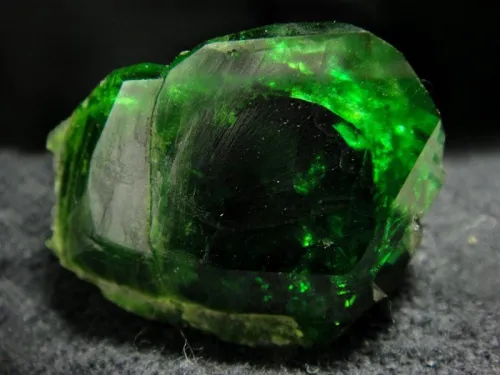
For readers scrutinizing appearance changes or assessing treatment quality through visual cues.
The most noticeable post-oiling shifts occur in how light navigates the stone: untreated emeralds display fractures as sharp light interruptions, while oil creates smoother gradients similar to dew unifying grass blades at dawn. Practical differences emerge across settings—office LEDs may render treated stones more uniformly green, whereas sunlight often highlights residual fracture patterns as faint silver threads. Well-executed oiling tends to elevate the stone's "quiet glow" in ambient indoor spaces by reducing internal reflections that create visual noise.
Serving those evaluating treated gems or managing long-term preservation strategies.
When examining oiled emeralds, shift perspective across lighting environments: jewelry store displays often favor intense spotlights smoothing imperfections, while home environments reveal true character. Assess these elements:
The gem's color saturation can shift perceptibly depending on oil distribution—some stones gain oceanic depth while others reveal mossy undertones depending on treatment quality.
Environmental rhythms influence longevity dramatically: daily commutes expose stones to temperature shifts that accelerate oil evaporation, while consistently climate-controlled interiors extend treatment stability. Noticeable signaling for reapplication includes increased visibility of fractures under soft window light or diminished depth perception under household lamps. Store treated pieces away from windows where daily thermal cycling occurs, and consider seasonal timing for maintenance—winter when indoor warmth battles cold windowpanes often proves hardest on retention.
Addressing concerns about treatment limitations and practical realities.
Many worry oil treatments mask flaws permanently, when in reality they're temporary enhancements requiring maintenance like polishing silver. Regarding longevity: urban environments subject emeralds to fluctuating humidity cycles that typically displace oils faster than constant climate museum conditions. Home re-oiling attempts often result in uneven saturation visible as liquid boundaries under angled light—something professionals avoid through controlled submersion. Remember that skin oils naturally deposited during monthly wear contribute minimally to maintenance by slightly masking surface imperfections without replacing structured treatment.
If clarity enhancement motivated you, prioritize low-viscosity oils and regular observation under natural light to detect fading effects early. For those focused on selection criteria, remember that treatment visibility fluctuates across environments—view stones under both warm table lamps and grey daylight. Heirloom keepers should note how daily wear patterns influence care intervals; rings endure more exposure than pendants resting against fabric. Whatever your entry point, consider treatment frequency aligned with lifestyle: active wearers may choose annual applications matching their jewelry inspection rhythm. Let emerald maintenance become an unnoticed habit that sustains beauty through changing seasons.


$
