Emerald’s vibrant allure relies on understanding its interaction with light and environment; careful maintenance preserves its visual depth without invasive treatments, focusing instead on gentle cleaning, controlled light exposure, and protective storage to enhance its natural luminosity and structural integrity over time.
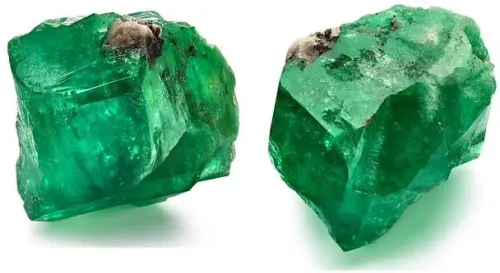
You saw the glow first – that deep, liquid green catching afternoon sun through a department store window. Later, it appeared in a colleague’s ring beneath office fluorescents, its intensity seemingly dimmed. Perhaps you inherited a brooch where the stone felt clouded, or contemplated earrings wondering: how does this gem maintain its vitality? Whether you’re assessing heirloom clarity, planning daily wear, or simply enchanted by emerald’s color magic, your question likely extends beyond basic cleaning. It’s about energizing its presence, helping it hold light and life where you see it most: your wrist, a windowsill, across a dinner table. Recognizing *why* you seek to revitalize it shapes where to look for answers.
If you need clear, actionable basics to avoid unintentional damage while maintaining visual vibrancy, focus here. These universal protocols ensure stable preservation while enhancing inherent luminosity.
Effective cleaning balances impurity removal with structural respect. Use lukewarm water with a microfibre cloth, avoiding extended soaking—especially with liquid penetration concerns from surface tension properties in natural stones. Specialized residue-removing solutions can address build-up around settings, yet even these should never compromise historical oil treatments.
Preserve natural imperfections and patina formation through non-intrusive surface interventions. Professional assessment determines whether original clarity restoration involves minimal intervention with soft, cellulose-based tools. Avoid high-energy polishing methods that create molecular dislocations or artificial brillance unsuited to emerald’s character.
When curiosity centers on how surroundings influence perceived vitality, this section explores lighting dynamics and atmospheric interactions affecting that signature glow.
Indirect natural light consistently enhances refractive play and visual depth—observe your emerald near (not directly in) a morning window. Conversely, artificial lighting often flattens its complexity. Differences become especially apparent during comparative analysis under varied light sources, revealing natural color ranges in untreated gems.
Common environments leave detectable traces. Airborne particles may create micro-abrasions during decades of exposure, while temperature fluctuations within typical living spaces rarely threaten material stability in uncut specimens. Note: moisture can temporarily alter surface light diffusion before evaporation reveals the original luster. Setting density variations also influence environmental exposure, accelerating patina formation in airier designs.
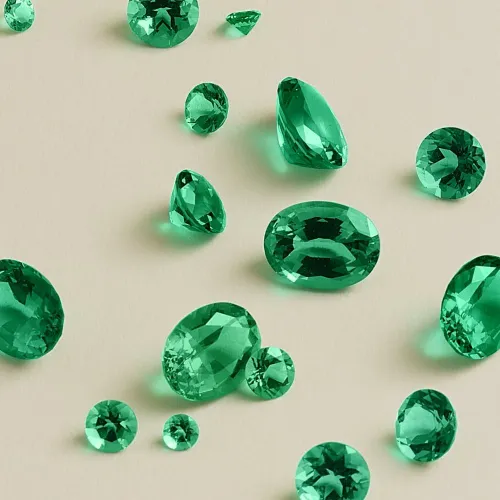
Daily routines determine revitalization strategies. From the rhythm of wearable jewelry to quiet display contexts, practical care ensures sustained energy without constant intervention.
High-contact pieces benefit enormously from protective encapsulation—methods that slow abrasion while permitting light entrance. Notice that cushioning within settings minimizes pressure on internal inclusions. Clean fortnightly if regularly exposed to skin oils or cosmetics, targeting residues near prongs using soft picks.
Stored pieces still interact with environments. Proper cushioning minimizes pressure-related flaws while archival cases reduce dust accrual in microscopic fissures. Controlled humidity prevents temporary refractive changes—a significant consideration with fracture-filled specimens where moisture infiltration could cloud visibility.
Looking to assess whether maintenance efforts revitalize effectively? Noticeable signs often blend visual perception and physical stability.
A successfully energized emerald shows enhanced light penetration and depth rather than stark brightness shifts under varying conditions—its green gains dimension without appearing synthetic. Cloudiness reduction occurs gradually, preserving natural texture. Consistency across light sources signals maintained integrity.
Professional assessment can detect stability improvements invisible to untrained eyes. Technologies like microscopic examinations identify stabilized surfaces while preserving historical patina. Data collection establishes baselines that reveal subtle progress, showing proportional luster retention over years.
Sustaining vibrancy requires planning decades ahead. These principles extend vitality throughout generations as emeralds become layered histories.
Isolate your emerald in fabric-lined compartments to prevent contact abrasions during storage. Avoid cardboard (dust contamination risk) or plastics releasing volatile compounds over time. Even in ideal environments, periodic air changes prevent micro-climates that subtly speed patina development.
Regular professional evaluation—every three to five years—assesses refractive balance and structural cohesion non-invasively. Comparative spectral readings track minute changes and detect unseen problems while establishing maintenance baselines. Think of it like recalibrating a sensitive instrument rather than "repairing" it.
The essence of energizing an emerald dwells in its symbiotic relationship with your world. If simplicity guides you, remember distilled principles: gentle touch, thoughtful light, protective pauses. Let the stone experience life filtered through your habits – morning coffee light, rain-spattered windows, quiet evenings beneath soft lamps. Don’t strive for factory-fresh perfection, but for vibrant authenticity that celebrates its geological narrative and your own. Maybe it shines subtly through work meetings, punctuates evening gatherings softly, or greets you warmly across a cluttered desk. See maintenance not as correction, but cultivation.
Q: Does indoor versus outdoor light affect maintenance needs?
A: Indirect natural light enhances depth without intensifying wear risks; artificial lighting doesn’t harm stone stability but can visually flatten its complexity. Maintenance intervals relate more directly to contact frequency.
Q: How do I know if professional help is needed?
A: Persistent haze diminishing refractive vitality despite gentle cleaning may suggest the need for non-invasive intervention. Always seek conservators specializing in emeralds.
Q: Can vibration (like drawers closing) impact stone vitality?
A: Vibration testing simulates decades of jostling; modern cushioning materials protect against common impacts. For delicate settings or high-risk areas (kitchen surfaces), stored separation minimizes resonance exposure.


$
