The emerald birthstone is exclusively assigned to May, as confirmed by the Gemological Institute of America (GIA) and global gemological associations. This vibrant green variety of beryl, colored by trace chromium or vanadium, symbolizes spring renewal. Unlike symbolic claims, its value lies in verifiable properties: a Mohs hardness of 7.5–8, unique "jardin" inclusions, and geological rarity. This guide answers "what month is emerald birthstone" and explores practical considerations for ownership.
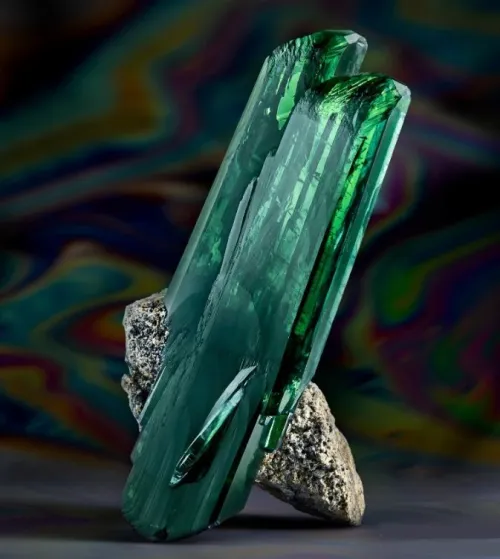
Emerald is the official birthstone for May, a designation upheld by the GIA since the modern birthstone list was standardized in 1912. This allocation ties the gem to spring’s renewal, with its color palette mirroring fresh foliage (pale mint) to deep forests (saturated green). While some cultures add secondary stones (e.g., alexandrite), emerald remains May’s primary birthstone globally.
Fun fact: Ancient Egyptians associated emeralds with Venus, linking them to fertility and love—a tradition that influenced later Western symbolism.
Understanding these measurable traits helps separate fact from fiction. Below is a GIA-verified summary of core emerald birthstone properties:
| Property | Description | Source |
|---|---|---|
| Chemical Composition | Beryllium aluminum silicate (Be₃Al₂Si₆O₁₈) with Cr/V impurities | GIA Gem Database |
| Hardness (Mohs Scale) | 7.5–8 (moderate scratch resistance, prone to cleaving) | GIA Handbook |
| Color Cause | Chromium (Cr³⁺) or vanadium (V³⁺) substituting aluminum | Journal of Gemmology, 2022 |
| Unique Feature | "Jardin" (French for "garden"): natural inclusions/fissures | GIA Clarity Grading Guide |
| Primary Sources | Colombia (hydrothermal), Zambia (metamorphic), Brazil | USGS Mineral Resources |
The question "why are emeralds so included" stems from their unique geology. Nearly all natural emeralds contain jardin—internal fissures or mineral inclusions formed during slow crystallization (millions of years). These aren’t flaws but "growth fingerprints":
As GIA notes, untreated emeralds with minimal jardin command premium prices due to rarity—but even treated stones retain character under light.
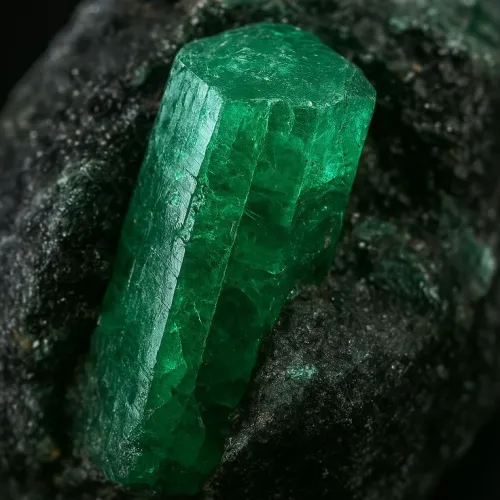
Many ask, "can you wear emerald everyday?" The answer depends on care and setting. Here’s our evidence-based advice:
In our experience, emeralds worn in protective pendants last decades with minimal care—perfect for daily wear.
Beyond its May association, emeralds carry cross-cultural meaning:
Today, its green hue remains a metaphor for new beginnings—fitting for May birthdays.
Q: Why are most emeralds treated?
A: To stabilize jardin fractures via oil/resin filling (a near-universal practice per GIA). Disclosure is mandatory for ethical sales.
Q: What metals pair best with emeralds?
A: Platinum (strength for prongs) or rose gold (warm contrast). Avoid nickel alloys that may react with oils.
To revisit the core question: what month is emerald birthstone? It’s May—a gem defined by its vibrant color, unique jardin, and geological story. Whether drawn to its symbolism or practical beauty, prioritize GIA-certified stones, protective settings, and gentle care. Remember: informed choices honor this ancient birthstone’s legacy.


$
