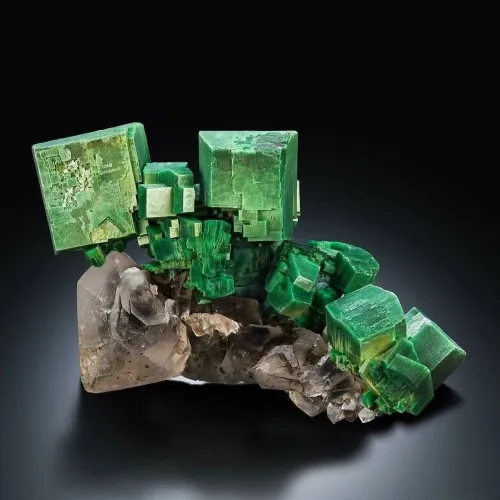
You're standing before a velvet-lined display, searching for that exact shade of green that whispers "timeless" rather than "trendy." One emerald glows with forest depth under the boutique lights, but a nagging doubt lingers—will it turn murky during office hours or lose its life in evening gatherings? Will the size overwhelm the recipient's delicate wrist? Choosing an emerald as a gift means navigating these quiet tensions: the scientific metrics of quality versus the emotional resonance of a living gemstone that changes with light, setting, and context.
When you need core principles to evaluate a gift emerald, focus on how key traits interact in common scenarios—from intimate dinners under candlelight to brisk daylight commutes.
Vivid green saturation outweighs minor inclusions in gift-quality stones. Prioritize color that maintains depth under both cool office fluorescents and warm restaurant lighting. Consider that chromium-infused bluesih-greens often appear more vibrant in urban environments, while vanadium-tinted yellowish green radiates in golden-hour natural light.
Carat weight determines physical presence, but setting design controls perception. A bezel-set 1-carat emerald pendant floats delicately against skin during workdays, while a 2-carat halo ring commands attention at events. For mixed light settings, note: smaller carat stones often maintain color consistency across environments, whereas larger gems may shift between deep pine and faded sage under varying sources.
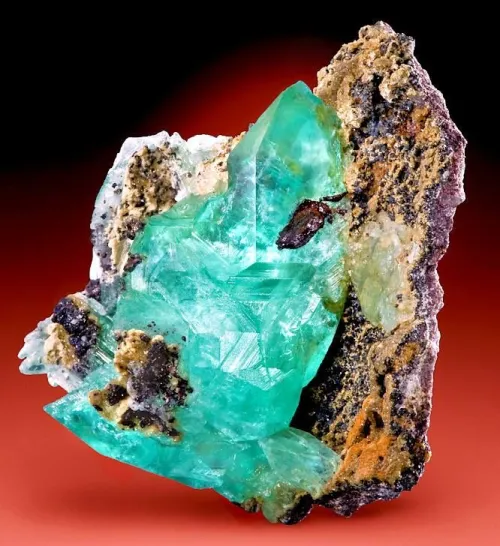
For those focused on how emerald characteristics translate to real-world appearance, observe three elements: jardin patterns under stress lighting, cut proportions' effect on color delivery, and environmental responsiveness.
Jardin (inclusions) create character but affect durability for daily wear. View stones under phone flashlight—if fractures scatter light like frost on glass, they may require protective settings. For rings destined for busy hands, select emeralds where inclusions cluster toward edges, safely contained by prong placement.
Emerald step-cuts showcase velvety color ribbons but demand careful clarity selection; their open facets reveal jardin sharply in department store lighting. By contrast, oval brilliant cuts diffuse inclusions while adding sparkle during cocktails under chandeliers. Always request three viewing environments: direct daylight (assesses saturation), shade (reveals tone balance), and candlelight/mood lighting (tests glow).
If your priority is matching emerald traits to lifestyle realities, focus on wear frequency, typical environments, and recipient preferences—where abstract quality translates to joy.
A pendant for an active gardener forgives moderate inclusions since viewing distance softens imperfections, while engagement rings demand higher clarity for close encounters. Office workers accumulating fluorescent-light hours might prefer slightly bluish tones that don't fade under bulbs. Remember: halo settings provide practical brilliance for smaller emeralds during brief encounters—lunch meetings, quick hugs—making modest carat weights feel generous through light reflection.
Choose emeralds labeled "minor oil-treated" over resin-filled for heirloom potential—they age more gracefully under sunlight exposure. Bezel rings protect vulnerable edges from handbag bumps; stud earrings avoid impact risks entirely. Gentle cleaning preserves fractured stones: use lukewarm water (never ultrasonic) so oils remain stable during decades of family gatherings.
When gift longevity matters, sidestep common oversights through protective decisions and informed maintenance.
Larger carat stones don't guarantee impact—a 0.5-carat oval may outshine a dull 2-carat when cut for light return. Contrary to lore, jardin (inclusions) don't denote "impurity" but gem authenticity; properly contained, they resemble moss-kissed streams. Certifications remain crucial: they verify treatment levels unseen by the eye but critical for future care.
Remove emerald rings before swimming—pool chemicals can draw out stabilizing oils. Store jewelry away from humid bathrooms to prevent fracture haziness. For anniversary bands worn daily, consider double bezels that cushion impacts during commutes. Periodic professional checks preserve integrity, especially for pieces surviving decades of celebrations and quiet Tuesdays.
Select based on where the emerald will live: choose vivid saturation above all if it's destined for sunset garden parties; prioritize solid setting construction for rings experiencing urban commutes. Remember that recipient style impacts choices—introverted personalities often prefer the contained glow of bezel-set carats, while bold dressers embrace prong-set stones catching gallery lighting. For heirloom intentions, certification documentation matters as much as the gem itself.
Let this be the starting point for choosing a stone that resonates with both your taste and the recipient's everyday rituals—where technical quality becomes the unseen foundation for beauty witnessed through years of ordinary moments.
Should I avoid emerald rings for active lifestyles?
While emeralds trail diamonds in hardness, bezel or halo settings create protective barriers suitable for daily wear. Reserve high-set delicate prongs for occasional pieces, and choose pendants/earrings for extremely active recipients.
How does carat weight affect emerald appearance in small settings?
Carat appears differently across jewelry types—0.5 carats makes a statement in stud earrings but reads delicate in rings. Work with cut proportions: shallow oval cuts increase perceived size for pendants, while deeper step-cuts magnify color intensity in compact formats.
Are treated emeralds acceptable for important gift occasions?
Oiling is standard industry practice that stabilizes inclusions and intensifies color. Prioritize minor/moderate treatment levels documented on certifications for lasting beauty, avoiding heavily filled stones destined for humid climates or frequent wear.


$
