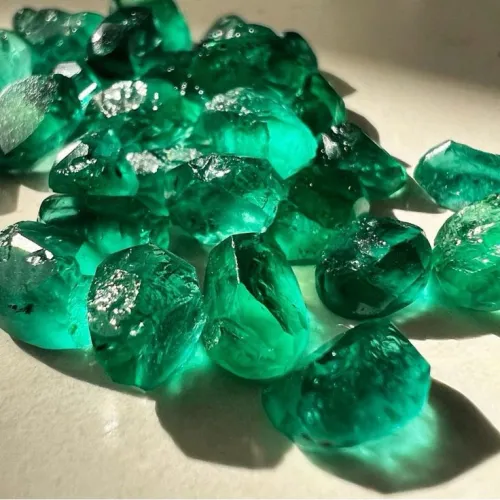
That moment of quiet fascination when sunlight spills across a desktop, catching the deep green of an antique ring as someone gestures during a meeting—or noticing how low evening lamps transform mossy stones into velvet depths against warm wood during gatherings. If you're contemplating an emerald for an engagement ring, it’s likely crossed your mind amid similar scenes: the tension between that distinctive allure and practical longevity. This question attracts different perspectives: some focus immediately on durability against keyboard taps and grocery bags, others wonder how the color interacts with office fluorescents versus candlelit dinners, while purely aesthetic seekers envision how this particular green harmonizes with skin tones or personal style signatures across seasons and settings. Wherever your curiosity starts, the answers dwell not in absolutes but in understanding nuanced relationships.
For the hands-on reader prioritizing structural soundness across everyday scenarios—typing, commuting, gardening, or handling children—this section addresses resilience questions head-on.
Emeralds range between 7.5-8 on the Mohs hardness scale, offering moderate scratch resistance comparable to window glass rather than sapphire-like toughness. This becomes visible when noting that surface scratches typically gather more noticeably over years than on harder gems, particularly near facet junctions. Darker-toned stones naturally camouflage minor scuffs better than paler varieties. Crucially, natural inclusions—known as jardin and linked to their rhyolite rock origins—may compromise structural integrity against sharp impacts, especially along cleavage planes where crystals fracture easily. Accidental knocks against kitchen counters or playground equipment require more thoughtful avoidance compared to diamonds.
Bezel or halo settings substantially shield vulnerable girdles and corners from direct impacts during bag searches or accidental bumps. These fully-cradling styles prove advantageous for stones with significant inclusions or those worn during hands-on urban living. While prong settings maximize light exposure—enhancing that luminous green during dimly lit drinks gatherings—they necessitate six-month professional checks for loosening, especially if one tends to gesture energetically. Opting for thicker ring bands assists shock absorption during unexpected drops onto hard flooring.
Those drawn primarily to aesthetics—how emeralds interact with varying light textures—will appreciate insights on maintaining color brilliance within daily visual rhythms: stark offices versus subdued restaurants.
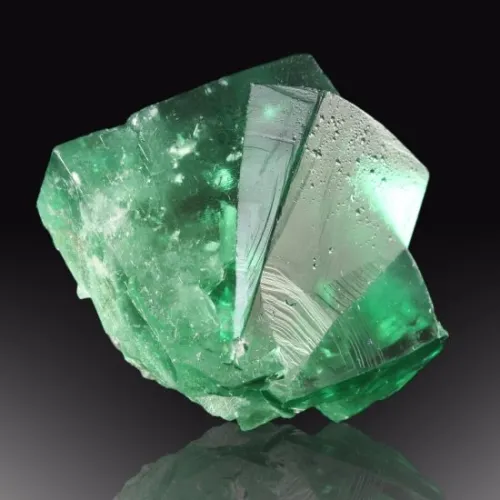
The stone's pleochroism means its intensity transforms depending on viewing angles and light sources—deep jade under an office's cool fluorescents softening to velvety teal beneath restaurant candles. This characteristic color dance invites observers to consider their most frequented environments:
Hue consistency tends to vary between Colombian and Zambian stones, offering distinctly different character against metallic hardware or apparel color pairings.
Compared to isotropic minerals like sapphire, an emerald’s appearance typically evolves more noticeably through life’s phases. Potential minor surface abrasions after fifteen years of administrative tasks contrast with a diamond’s steadfast polish. Some varieties may show subtle hue shifts under continual sun exposure—less concerning for indoor professionals than for tropical climate residents. The stone’s softer nature implies that over-polishing during repairs risks facet alterations, shifting original light dynamics.
Pragmatic considerations dominate for readers prioritizing practical upkeep: commuting demands, cleaning habits, and balancing care against modern schedules.
Most commercial emeralds receive oiling or resin treatments to stabilize inclusions, demanding gentle cleaning strategies. Ultrasonic cleaners or steamers risk dislodging these fillings—stick instead to lukewarm water with mild soap using soft brushes during relaxed evenings. Humidity exposure may cloud fracture-filled varieties over decades, suggesting removal before showers or dishwashing. Professional re-oiling maintains clarity in treated stones; bi-annual sessions prove beneficial for active wearers compared to occasional users.
Vibration-prone hobbies—gardening with tools, using pneumatic equipment, or frequent travel—may accelerate micro-fractures in pre-included stones. Opting for lower domes or tension settings minimizes impact risks during bag storage. Resealable "travel" ring pouches protect against scuffs alongside keys in carry-ons. Those preferring minimal maintenance can focus on untreated stones despite their rarity premium, skipping the need for specialized care regiments entirely.
Rather than universal rules, let those distinct considerations outlined above guide what resonates most with how your days unfold. If structural confidence anchors your decision, prioritize protective settings and moderate-hardness acceptance—perhaps letting a bezel cradle become its quiet signature against typing tasks. Color connoisseurs might relish the subtle shift between dawn windows and conference rooms, selecting a stone specifically for this interplay. Practical readers can adopt simple changes like designated ring dishes near sinks, transforming upkeep into familiar rhythm instead of chore. Whichever dimension speaks loudest, the emerald’s role becomes not just a symbol, but one harmonized point where practical awareness meets enduring beauty. Let it be where light, texture, and thoughtful choices merge within your narrative.
Q: Could occasional gardening damage my emerald engagement ring?
A: Soil impacts or vibrations may pose greater risks than office wear. Protective gloves offer prudent solutions, particularly for stones with pre-existing inclusions.
Q: Do all emeralds require these maintenance precautions?
A: While all benefit from mindful handling, most commercially available stones utilize filling treatments needing specialized care—untreated emeralds need only standard gem hygiene but carry premium pricing.
Q: How does artificial lighting affect appearance?
A: Cool fluorescents intensify bluish undertones whereas warm LEDs enrich yellowish tones. Testing stones under varied light before selecting proves advisable.


$
