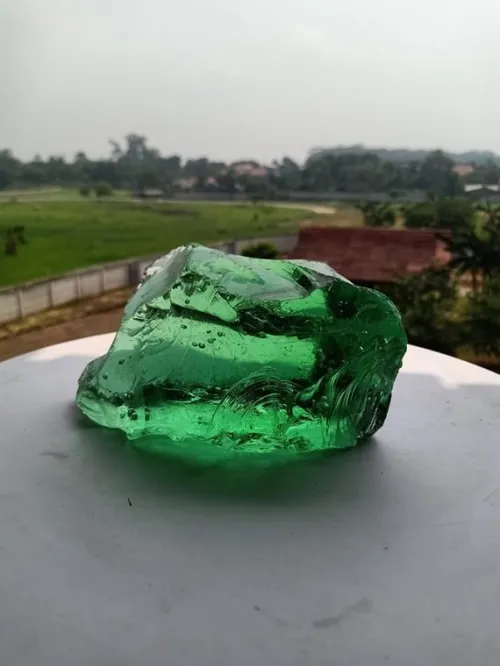
Imagine walking into a softly lit jewelry store, drawn to a ring displayed under spotlights—its green glow seems otherworldly. Then later, outside as dusk settles, that same gem shifts to a muted, deeper tone, making you wonder: "Is this a genuine emerald, or just clever lighting?" Whether you're shopping for a special gift or admiring a vintage heirloom piece, moments like this reveal why identifying a real emerald matters. It's not only about investment value or avoiding replicas; it's about appreciating how nature interacts with light and texture in your daily routines, from subtle office brightness to golden-hour picnics and evening gatherings. Readers come to this question with different needs: some simply seek a clear explanation of what defines an emerald, others focus on visual appeal, a few crave insights into natural origins, many weigh practical buying advice, and others look to debunk myths for assurance.
This part is for readers who need a straightforward definition—what sets a real emerald apart in simple mineral terms—whether you're encountering this gemstone casually or in an educational context.
A real emerald is primarily identified by natural inclusions formed during slow geological processes, making them visually distinct under magnification from synthetic imitations. For everyday identification, these inclusions can create subtle textures that catch light differently, such as in a necklace seen under home accent lighting, appearing more organic than the uniform look of fake stones. Over decades of wear, emeralds may develop micro-scratches due to their moderate hardness, reinforcing the gem's natural and imperfect character in heirlooms.
A valid emerald exhibits specific growth patterns that scientific tools measure, like refractive index, to distinguish it from other green stones such as peridot. When examining a piece casually, you might notice faint zoning in color saturation—say, varied intensity in a ring under a café lamp—instead of even dye distribution. This ties to how light interacts with internal structures, resulting in the gem's signature glow that shifts to bluish-green in bright daylight and takes on yellowish tones indoors, adding dimension to everyday accessories.
Turn here when judging an emerald's appearance—its hues, transparency, or light behavior—is central, especially for how it complements personal style in settings like a silk scarf's accent or a statement piece for events.
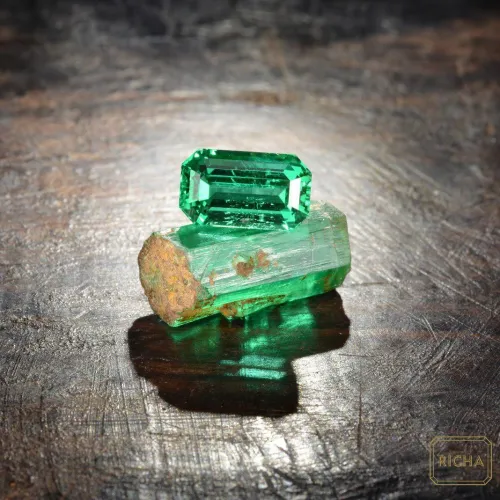
Color zoning in genuine emeralds provides clear visual indicators of quality, with variations showing natural formation rather than an artificial uniformity. In a bracelet worn under soft gallery lighting, this zoning may manifest as patches of deeper green contrasting with lighter areas, creating a dynamic play against fabrics. Under magnification, inclusions often appear as three-phase patterns, which are rarely found in synthetics; these can add a soft character that influences decisions for pairing with neutral-toned workwear or bold evening attire.
Emeralds display shifts in hue—blushing to bluish-green in cool daylight or yellowish-green in warm indoor lamps—which serves as an everyday authenticity test. For instance, observe these changes when a pendant catches autumn afternoon light during a walk, then later in a room with dimmer bulbs during dinner. This light behavior ties directly to durability; while long-term color retention can be preserved with careful handling, gems in unprotected settings may develop surface abrasions over years if exposed frequently to heat sources like direct sunlit windows.
Explore this section if the natural history of emerald formation captures your interest, helping connect the gem's story to its tangible qualities in objects you encounter.
The distinctive features of emeralds arise from slow geological formation, where intense pressure and conditions lead to inclusions that affect clarity and character. Think of this when admiring a stone's texture in a museum showcase under focused lamps; the subtle glow from micro-fractures speaks to its authenticity. Such formation flaws can influence everyday choices, like selecting heirlooms with visible history that add conversation to home displays or gifting.
This applies to readers weighing use-case decisions—whether buying a piece for daily wear, collecting, or receiving—by balancing budget with techniques for verification and maintenance.
Basic tools like loupes or magnification can reveal authenticity cues during purchase, such as viewing inclusions in emeralds against a white background in simple ambient light. When testing, pay attention to differences in luster; for instance, natural stones show consistent brilliance as light passes through their structures, while fracture-fillings may appear waxy under scrutiny in dimly lit shops. Over the years, these techniques can prevent common pitfalls, such as misjudging online photos where coloration often misleads, emphasizing the need for in-person assessment before selecting a gem.
Practical advice centers on seeking professional certification, which standardizes documentation of features like clarity origins, especially useful across varied marketplaces. For example, a certified pendant gifted for celebrations tends to maintain value better than uncertified options, aligning with budget priorities when trading off color intensity against flaws. Over regular use, care methods matter—gentle cleaning avoids dislodging treatments whereas ultrasonic methods might degrade fillers, making the gem a harmonious companion for office attire or special-occasion jewelry.
Expert insights clarify that oil treatments, while common, may require reapplication and don't indicate counterfeit, but natural structures should show curved striations only in synthetics when magnified. Consider this in daily contexts: an emerald ring shouldn't be assumed fade-proof in intense sunlight, as heat exposure can alter its vibrancy over time. Debunking myths helps protect investments; verifiable provenance documentation for higher-value stones ensures they stay dependable accessories through life's phases.
Return to the essentials based on what resonates—remember the defining inclusions for quick verification or observe how emeralds shift color to make them shine against skin tones and wardrobes. When considering buying, prioritize visual indicators like zoning and seek certifications for lasting assurance without overspending. Reflect on personal scenarios: perhaps choose an emerald brooch for quiet elegance in work environments or a gemstone that subtly integrates into your home's aesthetic flow. Let the stone’s natural texture and light interplay enhance your space, becoming one quiet way your everyday surroundings and style choices gain depth.
How does household cleaning affect emeralds?
Emeralds may lose clarity over years from aggressive methods; gentle cleaning preserves oil treatments better, avoiding ultrasonic tools that tend to disturb fillments.
Can you test an emerald without special tools?
Simple light observations, like viewing hue shifts in daylight versus lamp light, often provide initial clues about authenticity.
What are the key differences from synthetic counterparts?
Synthetics typically show consistent curving striations under magnification, whereas natural ones have mineral inclusions formed under geological processes, affecting their textural look.


$
