Emerald serves as the official birthstone for May, recognized by modern gemological associations worldwide. For a quick takeaway: Emeralds belong exclusively to those born in May, with their signature green hue originating from trace chromium or vanadium in beryl crystals, varying from soft spring greens to deep forest tones under different lighting conditions.
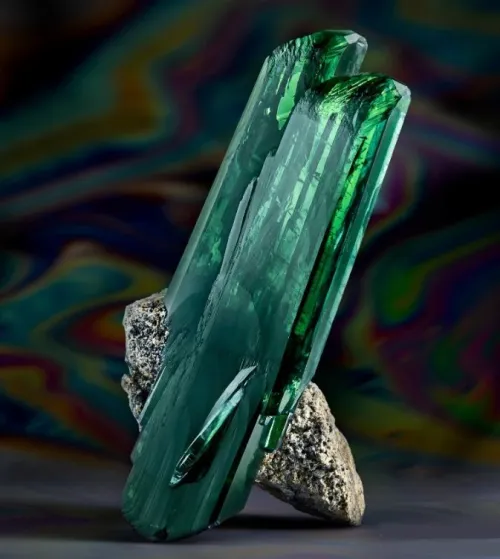
Picture browsing a jewelry store window when vivid green catches your eye, or helping a May-born friend select a meaningful birthday gift. Emeralds often spark curiosity – whether confirming their birthstone status, appreciating their velvety green depths, or considering them for daily wear. People approach this stone differently: some need just the basic fact of its monthly assignment, others are drawn to its visual drama in changing light, many weigh practical durability concerns, while cultural history enthusiasts explore its symbolic ties to spring. Identifying your primary interest helps navigate the details ahead.
For readers simply wanting to verify or recall the emerald's specific birth month assignment and basic nature. This section provides unambiguous confirmation with supporting context.
Emeralds stand as the designated birthstone for May across major gemological associations. This allocation connects them to spring's renewal, with their color palette evoking everything from fresh foliage to deep woodland shadows. Their geological classification makes them a green variety of the mineral beryl, distinguished by chromium or vanadium traces that create their characteristic green. While May exclusively claims emerald, some traditions designate supplementary stones.
For readers who prioritize understanding the emerald's shifting visual qualities – its interaction with light, signature imperfections, and the subtle changes in different environments like offices or evening gatherings.
An emerald's foundational green derives from chromium or vanadium atoms replacing aluminum within beryl crystals during formation. Saturation ranges dramatically – pale mint tones might grace a corporate office setting, while deeply saturated stones throw forest-green shadows under gallery lights. The concentration of these trace elements determines hue intensity. Under certain light angles, moss-like inner gardens become visible, shifting visual weight without diminishing vibrancy.
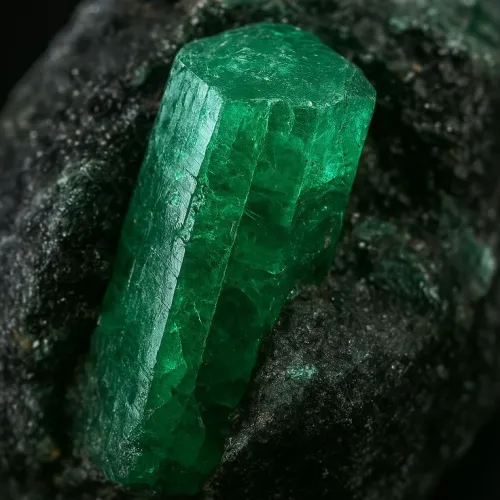
Emeralds maintain vitreous luster when polished, but exhibit subtle color shifts. Incandescent bulbs in homes may intensify deeper green notes, while natural daylight often reveals undertones ranging from bluish to yellowish green. Facets are specifically arranged to maximize light reflection within the crystal structure, making that signature glow emerge differently across settings: a subtle glow during boardroom meetings versus intense green pools at cocktail events. The stone's green can appear significantly lighter on overcast mornings than under summer afternoon sun.
Nearly all natural emeralds contain visible jardin – French for "garden" – internal fissures or inclusions reflecting their growth. Rather than flaws, these create unique personalities: an urban ring might carry fern-like inclusions, while a museum piece has icy veils. Resin treatments help stabilize these features for daily wear. Untreated stones command valuation premiums, yet even enhanced stones convey character when observed closely under an office lamp or pendant light.
This section serves readers wanting to know how specific geological processes create emeralds over millions of years.
Emeralds require unique geological collisions: chromium-bearing shale meeting beryllium-rich igneous rocks at high temperatures underground. Colombian deposits form through hydrothermal processes, while Zambian emeralds originate from metamorphic shifts over millennia. This difficult convergence explains the stone's rarity. Long-term exposure to 400°F+ temperatures risks fracturing existing inclusions – a relevant consideration when storing heirloom jewelry near heat sources.
Tailored to prospective buyers or gifters assessing practical durability, protection strategies, and longevity in contexts ranging from commutes to social engagements.
Measuring 7.5–8 on the Mohs scale, emeralds offer moderate scratch resistance but require thoughtful care. Ring stones worn daily may develop faint scratches over years of contact with doorknobs and keyboards. Chemical fragilities include possible reactions with household cleaners or ultrasonic baths. Gentle maintenance proves essential: warm soapy water with soft bristle brushes safely removes skin oils without risking damage. Avoid steamers and solvents.
Setting choice balances aesthetics with risk management. Protective bezel settings guard vulnerable girdles against bumps on crowded trains or shopping bags. For pendants worn with neckties, V-prongs can secure uneven corners while catching light. Rhodonite or garnet accents in May birthstone jewelry provide warm color contrast without compromising protection. Storage practices matter equally: padded containers prevent rub marks from harder gemstones.
Market distinctions include ethical source certifications providing mining transparency. Laboratory-grown alternatives offer identical composition with reduced jardin and generally lower costs, appealing for busy lifestyles. Traditional oiling treatments may need reapplication over years to maintain invisibility – detectable as a rainbow effect under magnified light if care is neglected. Untreated, highly transparent stones command premium values reflecting their geological rarity.
Addresses cultural history enthusiasts exploring the emerald's connection to May traditions.
Emerald's May connections solidified through European traditions linking green gems to spring renewal. Beyond Western calendars, Vedic astrology connects emeralds with Mercury, communicating intellectual clarity. Romans connected emeralds with Venus, representing productive gardens. Museums display Mughal-era talismans where emeralds symbolized paradise. Contemporary May birthstone jewelry continues these themes as metaphors for new beginnings.
With the key facts established about this complex May stone, consider how different focus points apply to personal contexts. If confirming its monthly assignment was your primary goal, remember it stands solely for May birthdays. Should visual qualities attract you, prioritize viewing stones under both daylight and evening light to see color behavior and jardin personality. For regular wear, concentrate on protected settings and gentle cleaning rituals – letting its green become one quiet signature in your visual environment. Historical connections offer conversation pieces between meetings, while ethical choices provide confidence at gifting moments. Ultimately, the emerald's layered qualities gain relevance when matched to your intentions.
Can emerald be worn every day?
While moderately resilient (Mohs 7.5–8), emerald withstands typical office activities best in protective settings like bezels or pendants. Rings worn during gardening or housework risk surface scratches or chip damage over time. Many wearers alternate birthstone jewelry based on activity levels.
Why are so many emeralds treated?
Resin treatments temporarily stabilize common internal fractures through capillary action, enhancing longevity. This almost universal practice addresses structural vulnerability without altering composition. Treatment disclosure should accompany significant purchases.
Does emerald suit particular metal types?
Both warm rose gold and cool platinum complement emerald’s green by shifting its character: gold creates rich forest tones while platinum emphasizes crystalline green. The practical consideration involves prong strength – platinum stands up better to long-term pressure on prong settings.


$
