Emeralds form through rare geological collisions across specific global regions, with Colombian deposits yielding vivid grassy greens, Zambian sources offering deeper blue-tinged hues, and Brazilian stones displaying lighter garden-green tones—all influenced by unique mineral interactions during formation. When exploring these gems, consider how origin affects both appearance and practical use in jewelry or design settings.

On a rainy afternoon, someone admires green stone earrings in a museum vitrine, wondering why Colombian emeralds glow differently than Brazilian ones. Maybe you've browsed jewelry stores, comparing stones from various origins without language to articulate the differences. Perhaps you're selecting material for a bespoke ring, needing deeper insight into geographic traits beyond marketing terms. Some seek pure geological facts; others want visual guidance for discerning origin clues. Many wish to understand practical implications: Will that bluish Zambian emerald complement warm-toned jewelry settings? How might Colombian emeralds withstand daily wear? Or simply: What makes Ethiopian stones so distinctly electric?
This section provides foundation: where emeralds emerge globally and what earth processes create their unique identities. Focus here to grasp the interplay between geography, mineral chemistry, and gem characteristics.
Viable emerald deposits cluster in five key regions worldwide, each producing stones with signature traits observable under varying light conditions. Colombian examples tend to form in black shale-hosted deposits, yielding medium-toned vivid greens with exceptional warmth under candlelight or sunset hues; these typically lack blue undertones. Zambian sources emerge from iron-rich metamorphic rocks, developing cooler blue-green saturation noticeable in office fluorescent lighting or north-facing daylight. Brazilian specimens often appear lighter with yellowish secondary tones, visible under midday sunlight. Ethiopian deposits—newer to the market—display electric bluish-green colors that may appear brighter against grey urban backgrounds. Afghan and Pakistani mountain mines produce stones with distinct pine-needle hues that gain richness in evening ambient light.
Beryllium-rich magma encountering chromium-infused host rocks creates emerald's signature color; specific geological conditions determine hue variations seen in personal jewelry. Fluid dynamics in fractures may lead to jagged inclusions in Colombian gems resembling garden foliage—revealing authenticity when light passes through stones. Extreme pressure in Zambian formations tends to produce hexagonal crystal growth patterns that enhance durability against daily abrasion like accidental counters or purse clasps. Brazilian hydrothermal veins incorporate alkali minerals that can soften color intensity. Regional temperature fluctuations during crystallization introduce subtle textural differences where Colombian gems may feel visually "warmer" in gold settings during autumnal months while Zambian counterparts complement platinum in sharp winter light.
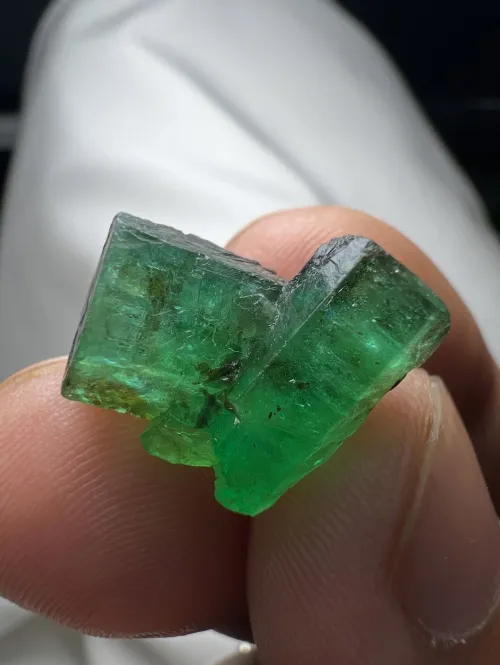
Explore how mining sources impact emerald aesthetics—from color expression to clarity markers—in work, home, and social environments. Prioritize this group if identifying origin cues through appearance matters for your projects.
Regional geology prints identifiable signatures often discernible during casual handling or jewelry inspection—especially when viewing pieces near windows or under task lighting. Colombian gems typically show fewer surface imperfections but higher frequency of "jardin" internal gardens; these appear as fragmented fern-like patterns that soften daylight penetration. Zambian stones offer consistent saturation but may exhibit blue undertones noticeable against cream fabrics or cloud-filtered sunlight. Brazilian specimens often contain fewer inclusions than others but tend toward paler greens that intensify when paired with warm metal settings. Three visual indicators to note:
This grouping informs real-world applications: matching emeralds to design intentions, care needs, and long-term aesthetic preservation. Focus here if selecting stones for collections or everyday jewelry.
Geographic origin directly informs suitability for particular functional contexts—consider these factors when matching stones to lifestyle settings. Emeralds from Zambian sources generally maintain structural integrity against occasional knocks during commutes due to compact crystal formation. Colombian gems, while visually vibrant in dinner-party candlelight, require protective settings for daily rings due to inclusion density. Brazilian emeralds tend to adapt well to diverse setting designs given their consistent clarity; these may integrate smoothly into asymmetric pendants or modern cluster earrings. Ethiopian options offer bold color statements against minimalist wardrobes but need thoughtful storage away from direct sunlight to prevent midday brightness from shifting tones over years. Choose based on:
This section addresses origin-centric concerns from stone maintenance to environmental interactions—useful if you manage collections or encounter misinformation.
Emerald origins inspire recurring questions about authentication, care, and perception shifts:
Let these observations enhance how you relate to emerald origins—whether you're researching remotely or selecting stones. If geological storytelling intrigues you, revisit the Colombian-Zambian formation contrasts. Those matching gems to personal style might apply origin-based color principles: pair darker Zambians with cool-toned metallic accents near office windows, or let Brazilian emeralds add soft daylight glow against summer wardrobes. For everyday jewelry considerations, weigh Zambian durability against your active lifestyle patterns. Emeralds connect us to landscapes invisible to the eye; select attributes that quietly resonate within your own environments—a piece's origin quietly amplifying beauty in expected spaces, from desk drawers to evening gatherings.
Do emerald origins affect sunlight sensitivity?
Certain sources react distinctively; while all emeralds benefit from UV protection, Ethiopian specimens may show subtle shifts when displayed near sun-drenched windows over years whereas Zambian stones typically maintain consistency under equivalent conditions.
Can geography suggest emerald resilience?
Emeralds from high-pressure formations like Zambia or Afghanistan generally demonstrate better scratch resistance against incidental contact with handbag hardware or gym locker surfaces.
Do mine origins guarantee color characteristics?
Regional indicators suggest probabilities rather than absolutes; Brazilian mines produce characteristic lighter greens but occasionally yield vivid yellow-green outliers suited for unexpected statement pieces.


$
