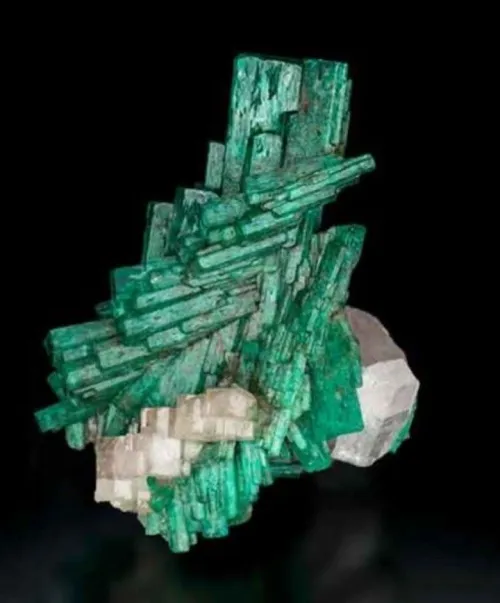
Consider how that emerald piece catches your eye differently during a fluorescent-lit meeting versus a candlelit dinner. The gemstone combinations possible with emeralds extend beyond formal tiaras to everyday pendants or anniversary bands. You might be trying to redesign an heirloom necklace, match a favorite evening bag, or simply understand why certain stones sing together when sunlight hits your wrist. Some focus purely on the visual harmony—how rubies ignite emerald's cool greens with fire. Others prioritize practicality: "Will this softer pearl stand up to my keyboard-heavy workday?" Whether seeking sophisticated contrast for cocktail parties or subtle cohesion for office wear that feels seamlessly "you," the pairing principles adapt. What catches your interest: the physics of light interaction between stones? Wearability for your lifestyle? Cost efficiency over decades? The answers come to life through texture, light, and that instinctive "yes" when jewelry meets context.
If you're exploring gem combinations primarily for their visual dialog—how stones converse through color and light—these pairings transform emeralds. This section considers textures, contrasts, and how stones influence each other's intensity under various lights.
Diamonds sculpt space around emeralds through light refraction. Their icy clarity provides counterpoint to velvety green depths—particularly noticeable in pendant necklaces catching sunlight during daytime errands. Under office LEDs, this pairing prevents emeralds appearing too somber by reflecting crisp, modern accents. The effect? A clean contrast that transitions seamlessly between contexts.
Analogous greens like tourmaline can deepen emerald's saturation through layered transparency. Imagine garden light filtering through stacked leaves—this interplay creates rich dimensionality without sharp contrast, ideal for pieces worn consistently like signet rings. In softer indoor lighting (think brass sconces or shaded lamps), these combinations glow with quiet sophistication rather than sharp sparkle.
Refractive index compatibility affects how stones sparkle synchronously. Higher-refraction gems like sapphires may create focal points while lower-refraction accent stones support them subtly. Notice how:
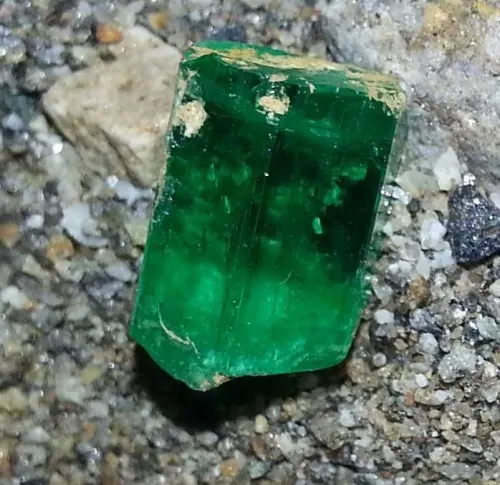
For those matching pieces to wardrobes and environments—whether minimalist office wardrobes or vibrant social gatherings—we explore how pairings perform across contexts. How do stones adapt from dawn to dusk?
Morning sun reveals how warm-toned gold settings unite disparate stones—rubies emit heat while emeralds exhale coolness, balanced by their metallic unity. Such combos can carry a crisp linen shirt, maintaining professionalism through afternoon meetings where fluorescent lights flatten less responsive gem pairs. Mixed-gem sets may flash sudden sparks when turning under restaurant pendants—that ruby-emerald tension igniting motion.
Surface texture variations alter perceived depth: polished round gems feel contemporary brushed against matte emerald facets—perfect for urban silhouettes. Conversely, matching polish levels create seamless flows for monochromatic ensembles requiring subtlety.
Prong settings lift stones toward light sources—ideal for pendants catching sideways window glare—but may snag knitwear. Bezel settings create smoother silhouettes for high-use bracelets without sharp edges.
If your jewelry survives gardening tasks, toddler hugs, or daily commutes, material durability becomes non-negotiable. This section addresses hardness, structural integrity, and maintenance realities over years.
Pairing emeralds (7.5-8 Mohs) with softer gems like pearls (Mohs 2.5-4.5) requires strategic placement. Protective bezels around softer stones prevent chipping at edges during routine tasks like grocery shopping. Hardness gaps exceeding 2 points tend to show wear first along adjacent stone junctions during daily friction—noticeable after 5-7 years on rings clinking against surfaces.
Look for:
Consider how stones respond to your regional humidity or seasonal changes. Porous paired gems (like opals or turquoise) can develop fine cracks during winter heating seasons if improperly stored. Combinations of heat-sensitive materials like emerald with opal may require rotation between humid and dry months—storage solutions matter.
Stones with differing thermal expansion rates in one piece should mount into flexible settings like channel borders accommodating minor shifts without fracturing during extreme temperature changes—say, entering a hot car on frosty mornings.
Over decades, daily friction gradually alters softer gem surfaces while harder stones retain facets—a patina that tells your story if embraced intentionally.
If you primarily seek stones creating visual magnetism with emerald, revisit blue sapphires for depth or diamonds for brilliance. Gold settings will amplify warmth during indoor hours. If durability guides you toward consistency, prioritize companion stones staying within 1.5 Mohs points of emerald's hardness, ensuring balanced aging. For those matching pieces against daily textures—sweaters to silk blouses—bezel settings and uniform polish levels minimize snags and maintain cohesive appearances over time. Trust materials speaking through natural lighting: test pairings by windows before mirrors. The ideal combination doesn't just complement the stone—it reflects your environments, movements, and moments.


$
